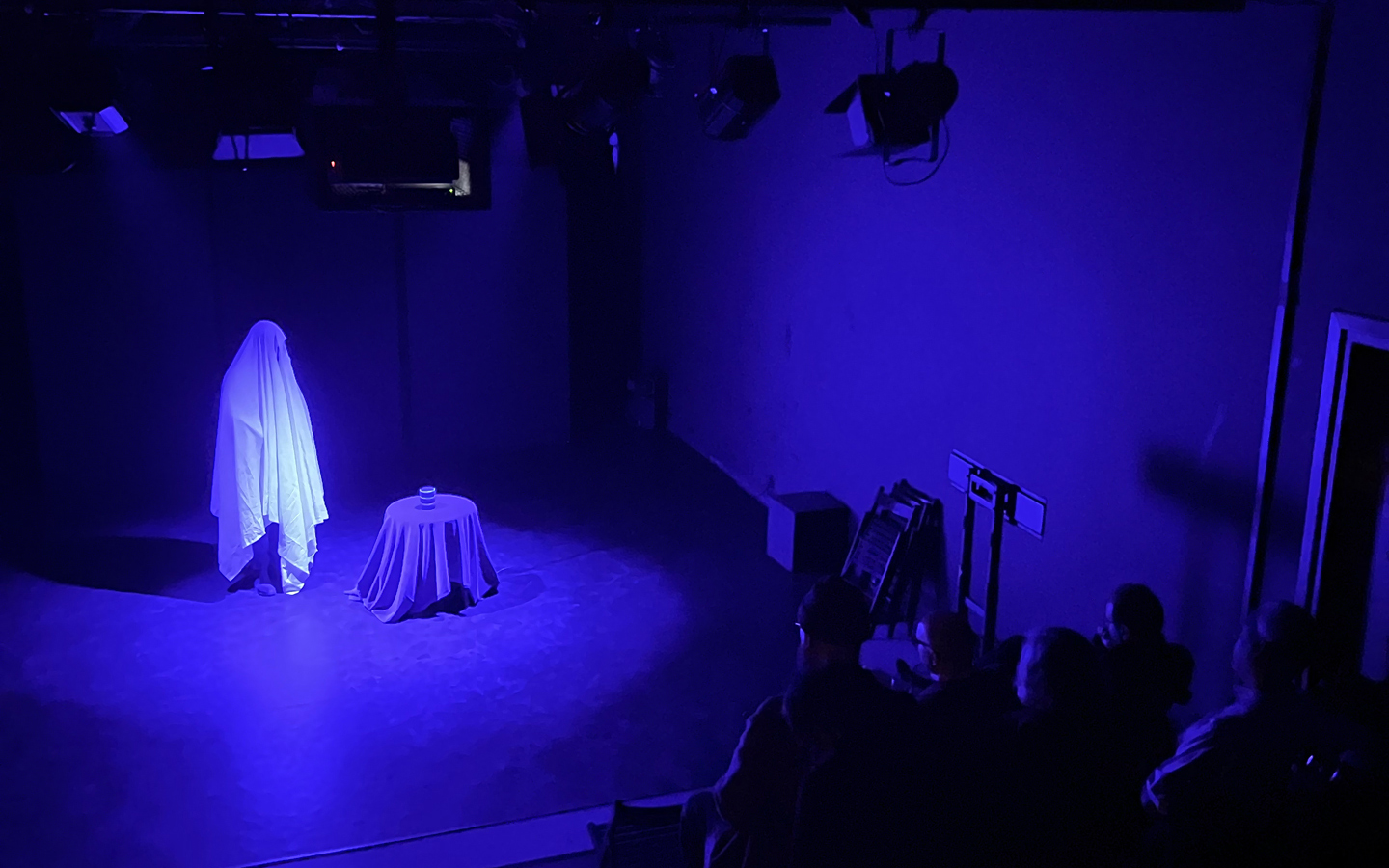
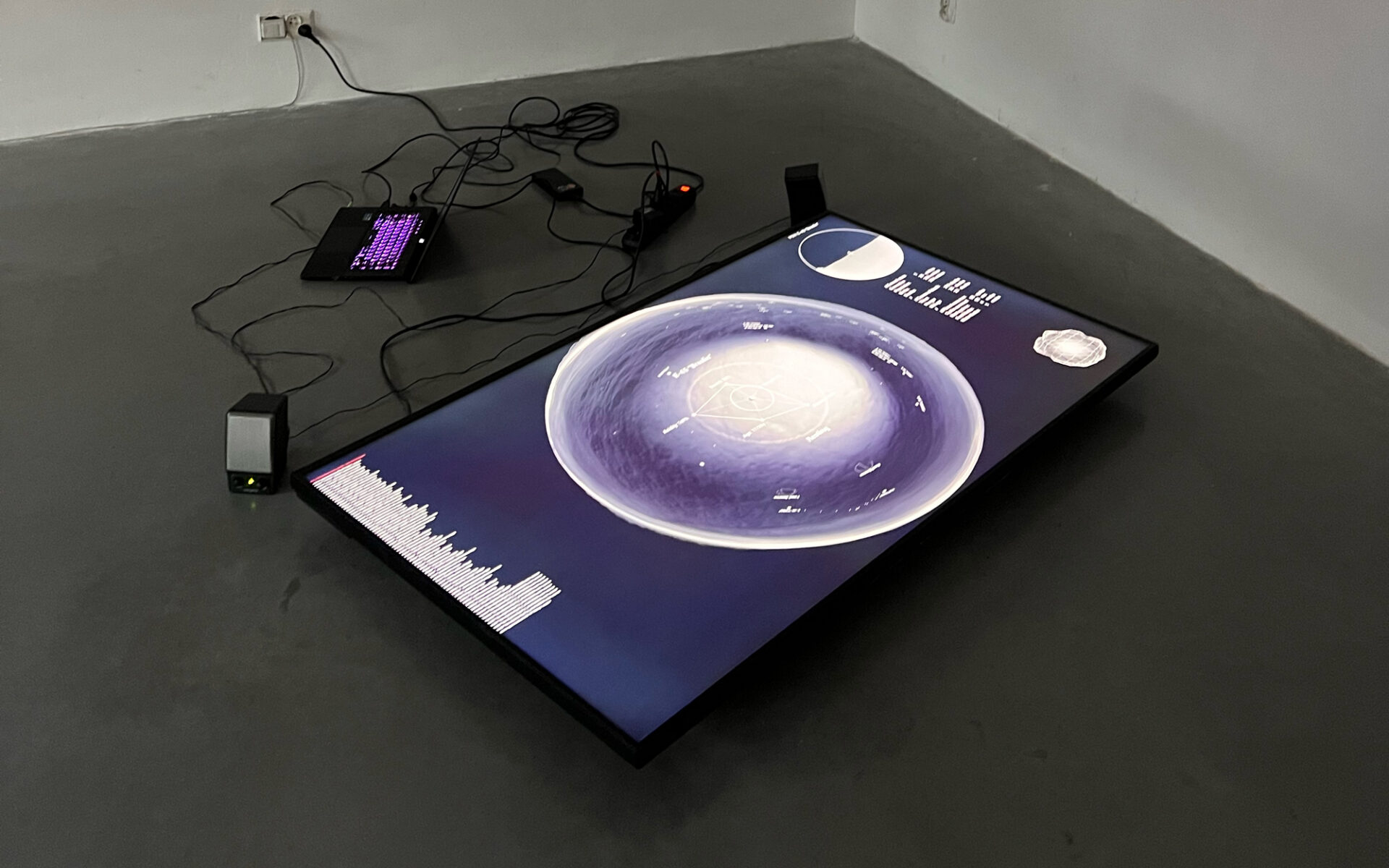
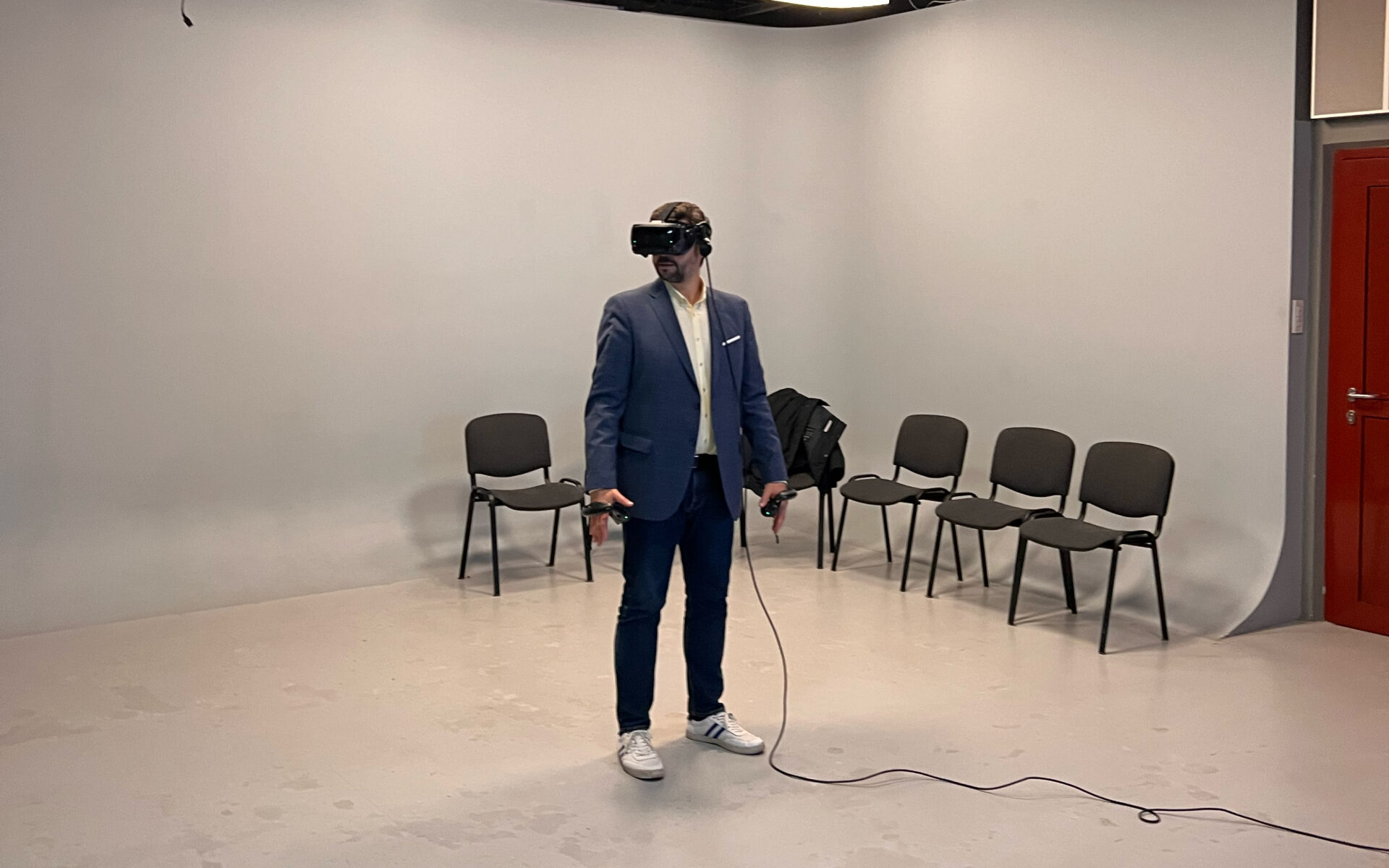
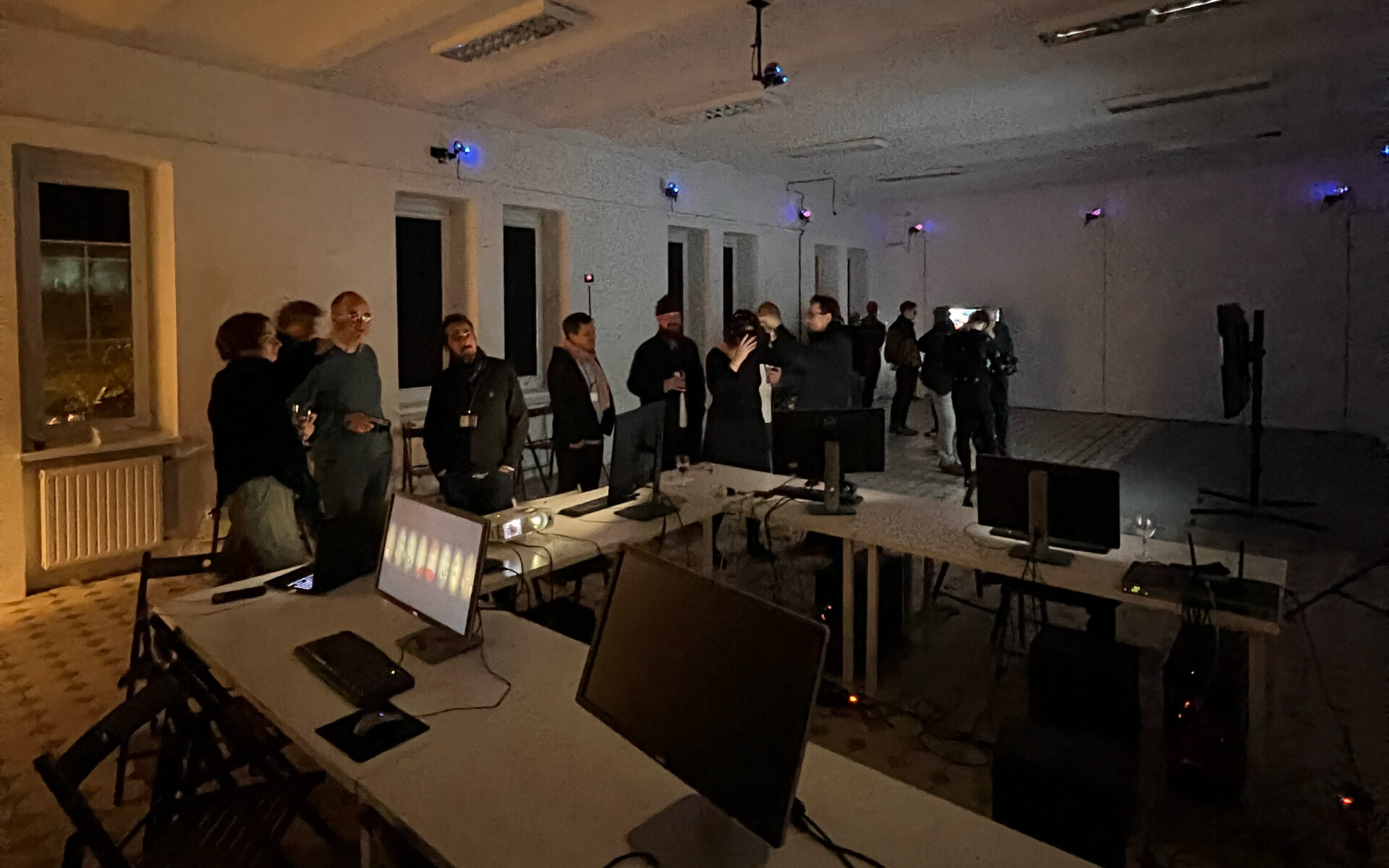
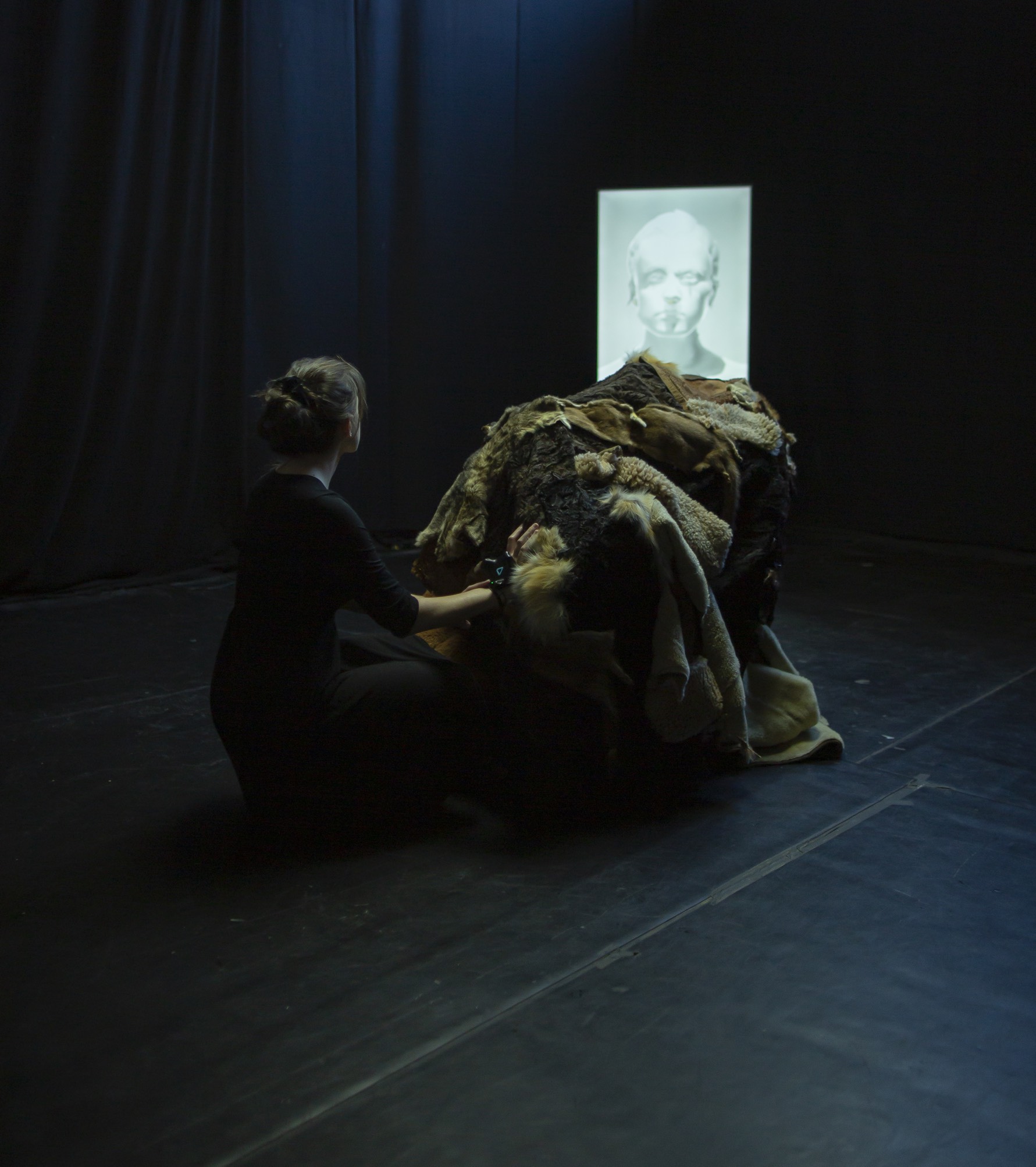
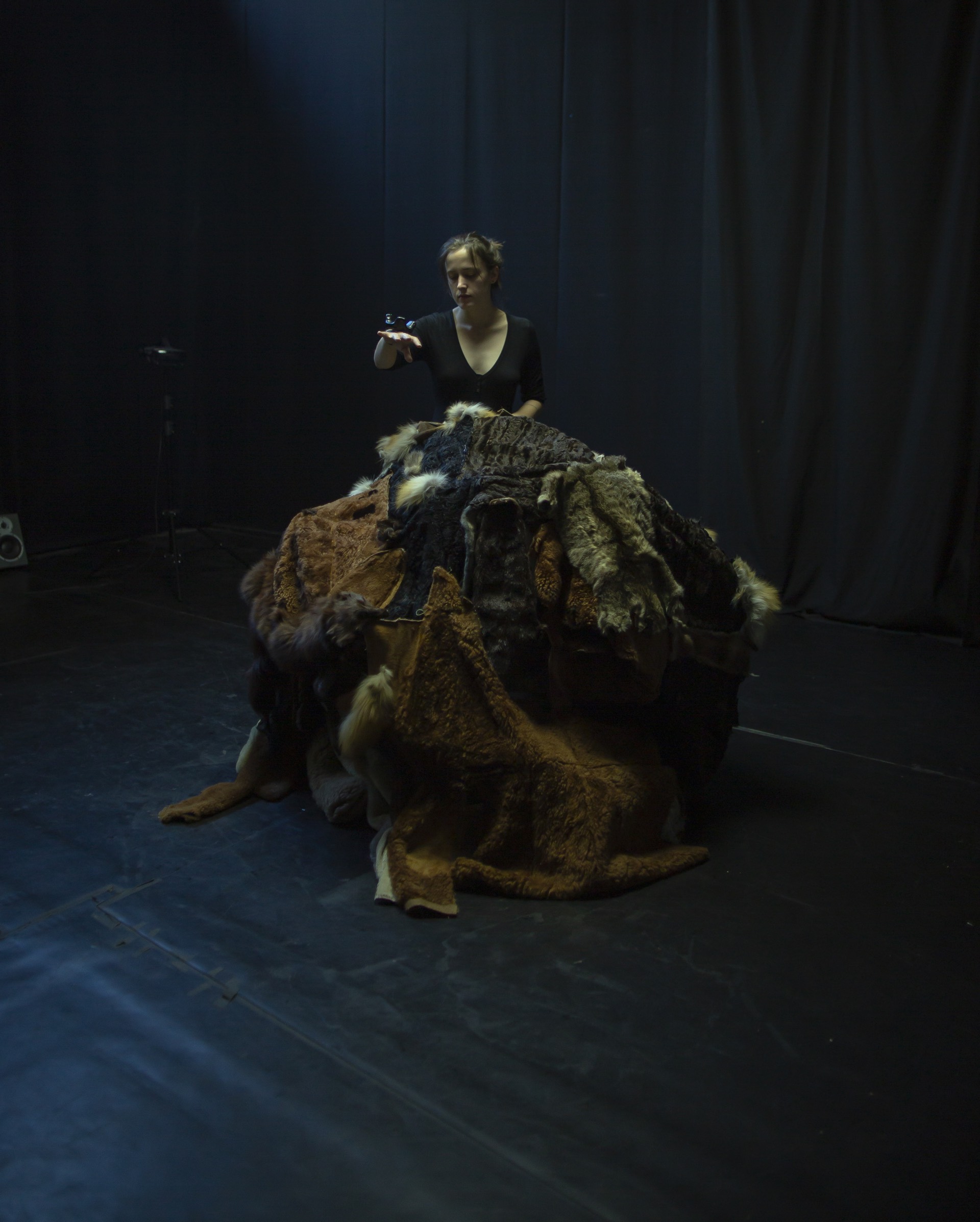
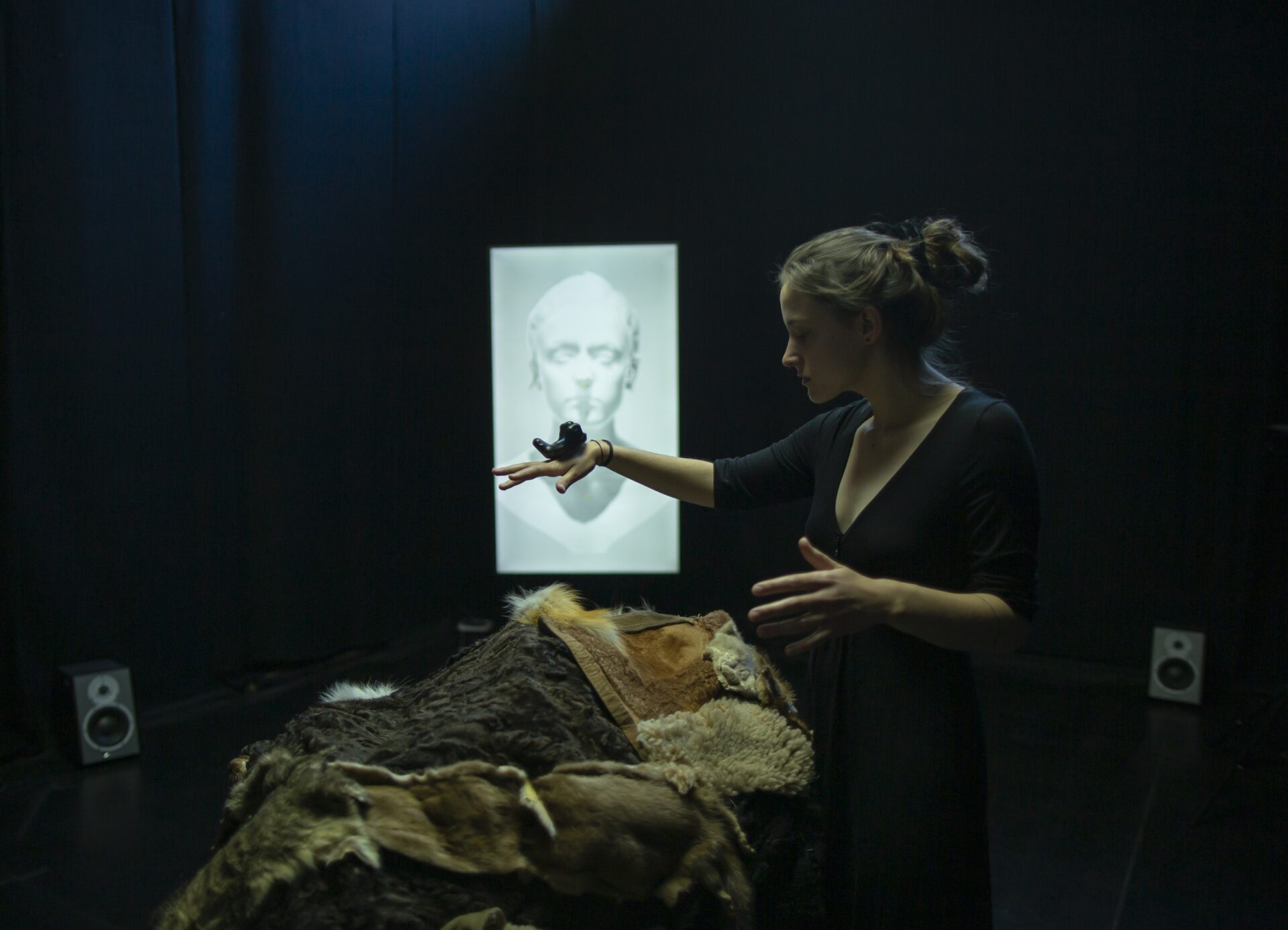
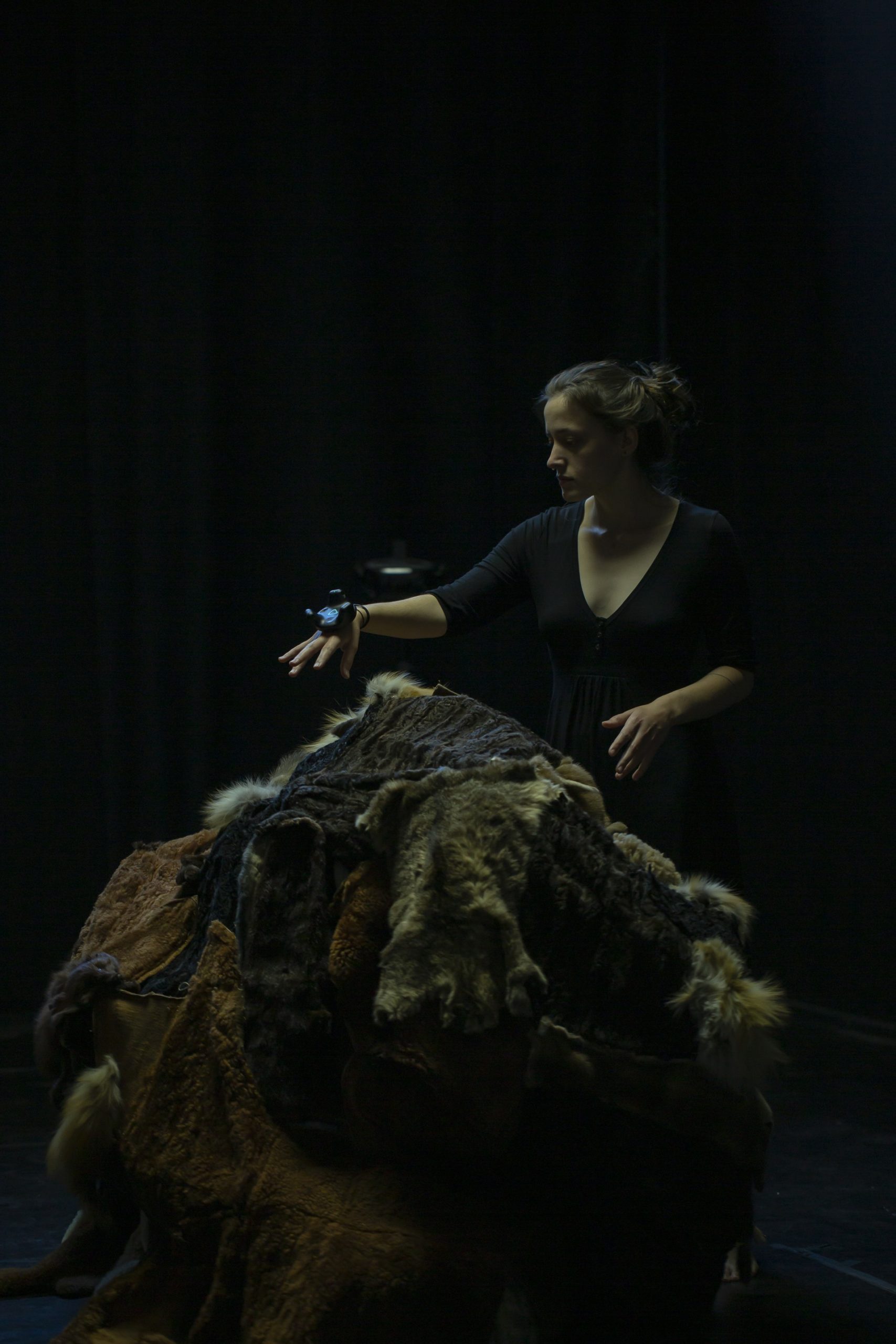
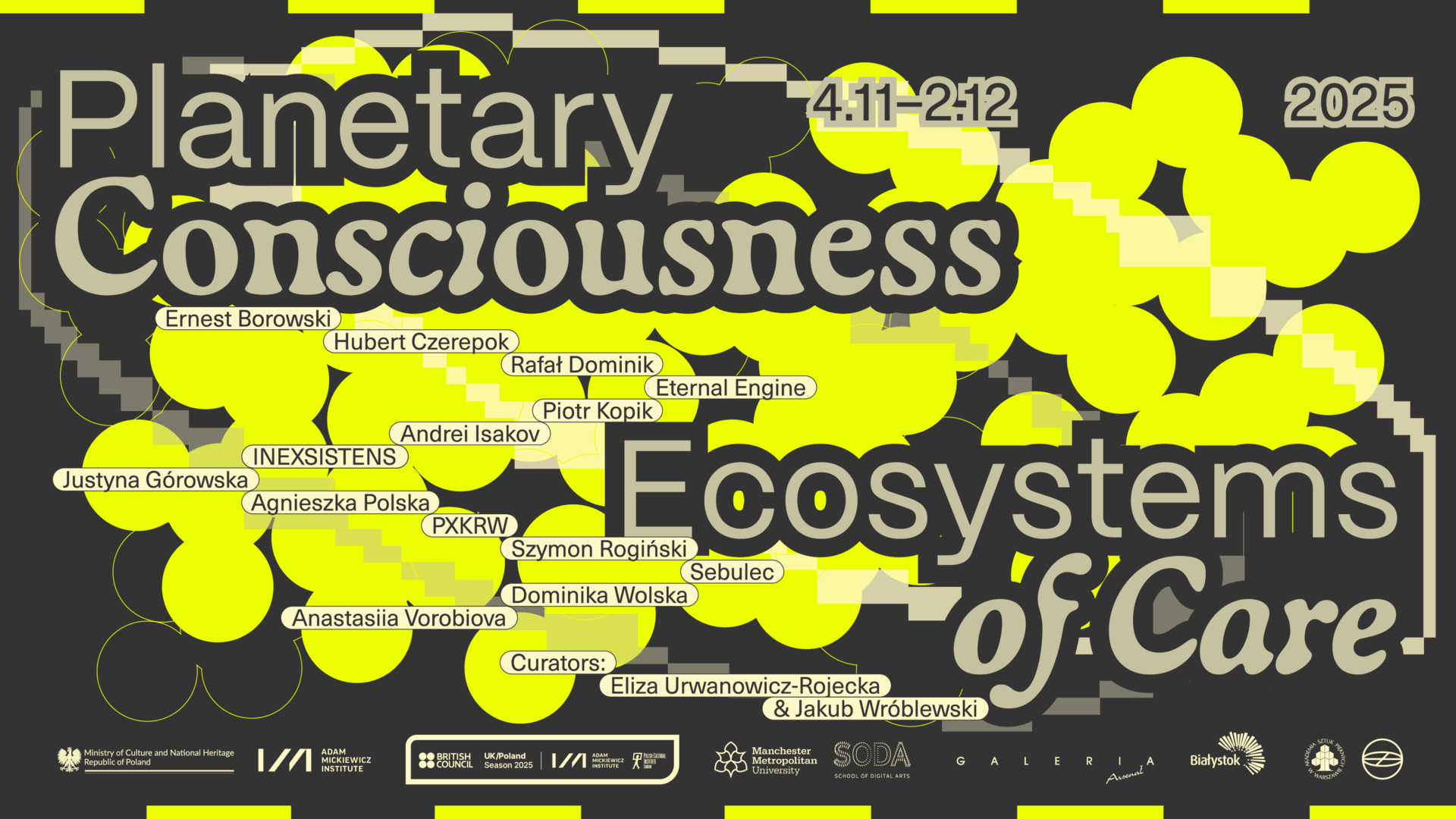
Planetary Consciousness. Ecosystems of Care

November 4th – December 2nd 2025

Venue:
School of Digital Arts (SODA), Manchester Metropolitan University 

Artists: 
Ernest Borowski, Hubert Czerepok, Rafał Dominik, Eternal Engine, Justyna Górowska, INEXSISTENS, Andrei Isakov, Piotr Kopik, Agnieszka Polska, PXKRW, Szymon Rogiński, Sebulec, Anastasiia Vorobiova, Dominika Wolska

Curator Team: 
Eliza Urwanowicz-Rojecka & Jakub Wróblewski

Collaboration:
Toby Heys & Adam Cooke, School of Digital Arts (SODA), Manchester Metropolitan University
Agnieszka Rudzińska, Adam Mickiewicz Institute

Visual ID: 
Renata Motyka

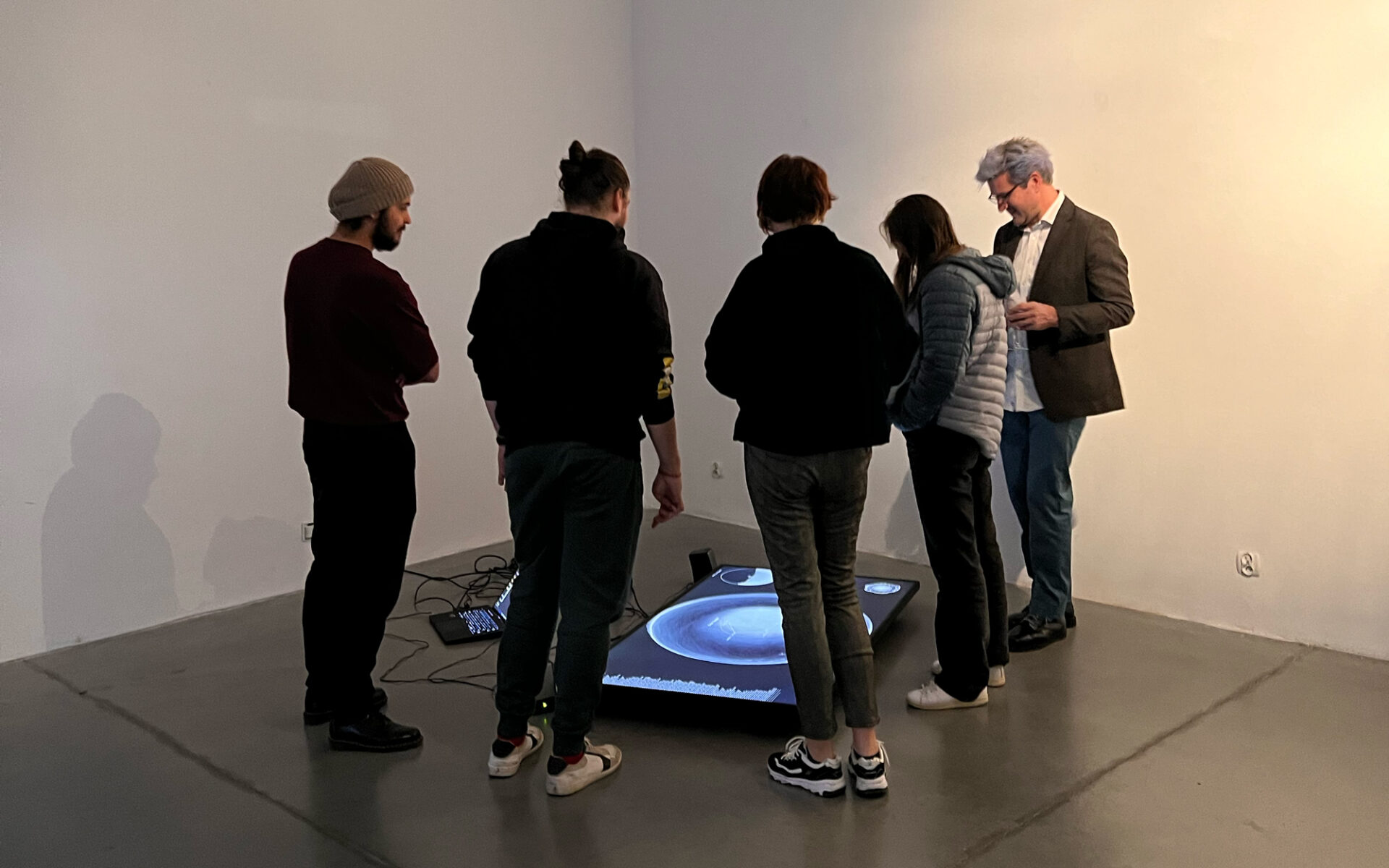
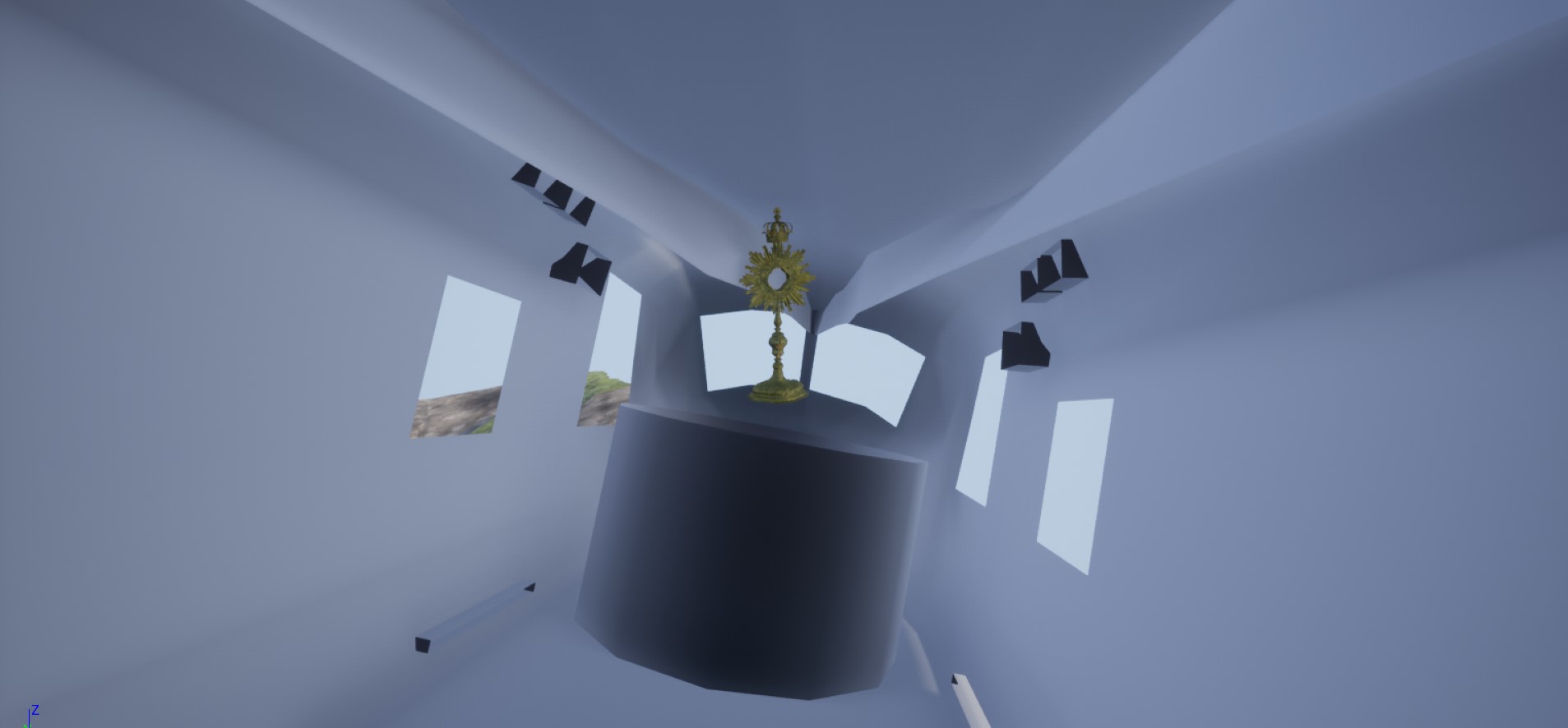
Planetary Consciousness. Ecosystems of Care is another project designed to promote Polish and Ukrainian contemporary digital art, co-delivered by the Arsenal Gallery in Białystok and the 3D and Virtual Occurrences II Studio, Faculty of Media Art at the Academy of Fine Arts in Warsaw.
The project has been inspired by the planetary consciousness category, in reference to a theory by sociologist and globalisation theorist Roland Robertson, author of the global consciousness notion (Robertson 1992, 2014). Thus termed by Robertson, the shift towards the world-universe relationship already assumed that the global perspective would transcend into the planetary. This angle is described in greater detail by philosopher of technology Yuk Hui: 

„(…) think planetarily doesn’t necessarily mean proclaiming or defining the sovereignty of outer space, or delving into terraforming and geoengineering, even though such topics might be anticipated in a book dedicated to planetary thinking. To think planetarily, first of all, means thinking beyond the configuration of modern nation-states, which have not been able to move away from vicious economic and military competition; second, it means formulating a language of coexistence that will allow diverse people and species to live on the same planet; and third, it means developing a new framework that will enable us to go beyond the question of territory, respond to the current ecological crisis, and reverse the accelerated entropic process of the Anthropocene.” (Hui, 2025) 

That said, our understanding of the phrase planetary consciousness concerns the Earth as a whole: exploited, misused, neglected, gradually brought to the brink of annihilation – and yet approached with ever-greater subjectivity, empathy and concern. Interconnections between contemporary ecological and technological transformations seem to be of key significance to all these categories.

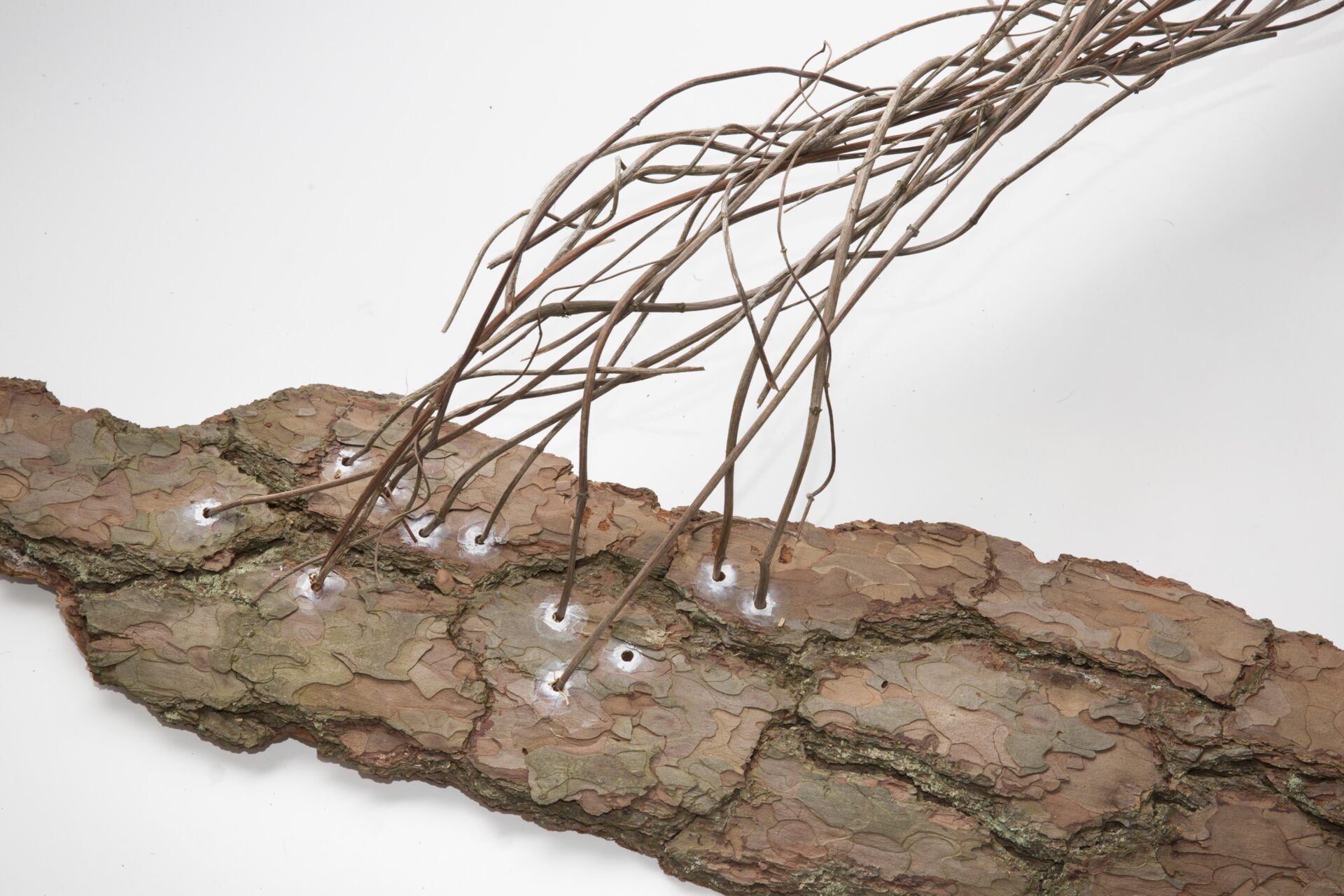
Thus – as Yuk Hui has suggested – it is, perhaps, worth our while to explore the present of technological diversity, or technodiversity: a variety of ways of understanding and constructing technology (Hui, 2019, 2025). The philosopher believes that from the planetary perspective, the new approach to technology ought to be accompanied by diversity of thought (noodiversity) and biodiversity. We intend to recognise both by exploring the structure of the contemporary technosphere, and its connections to the field of art. Consciously employing new rendering techniques, all presented works embrace the planetary perspective, opting for the caring for the planet category as their point of departure. Authors hail from regions contemporarily referred to as Eastern Europe or Central and Eastern Europe. The cultural context of all artworks resonates with ways of using new imaging techniques, the aesthetic, and individual narrative facets. What vision of worlds, both real and imagined, are they creating?

Through their tender, voyeuristic and poetic gestures, artists are alluding to varied relation types on the micro and macro scale, designing new formats of communication between the technosphere, individuals, human communities and non-human beings. Their suggestion is one of carefree play on the wreckage of a dying planet, in a new and fantom fin de siècle version. They are shifting issues of accountability and agency into virtual space where all values mix. Through a unique auteur aesthetic, they are offering innovative approaches to the essence of being.

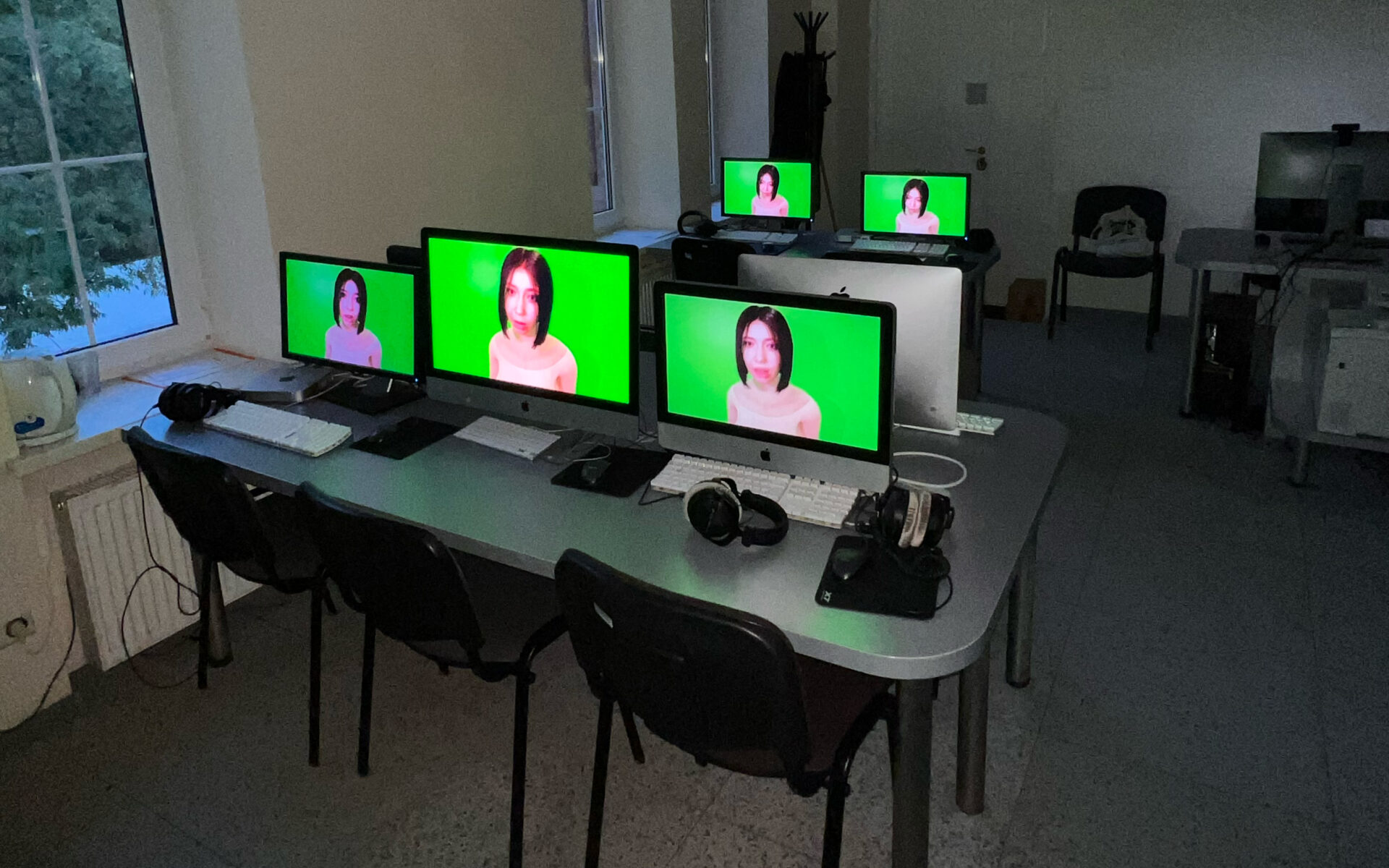
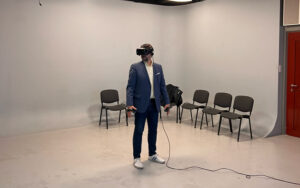
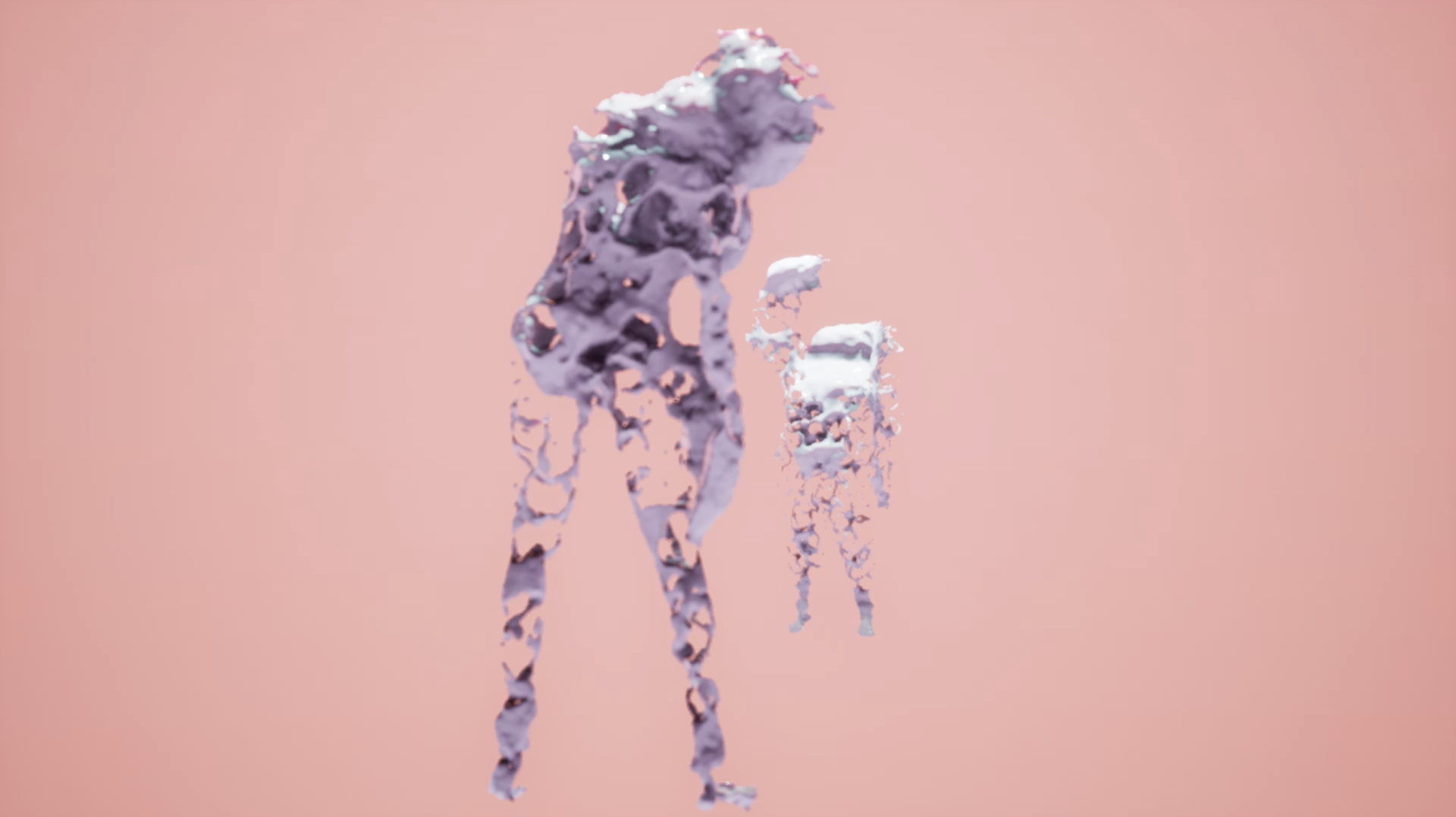
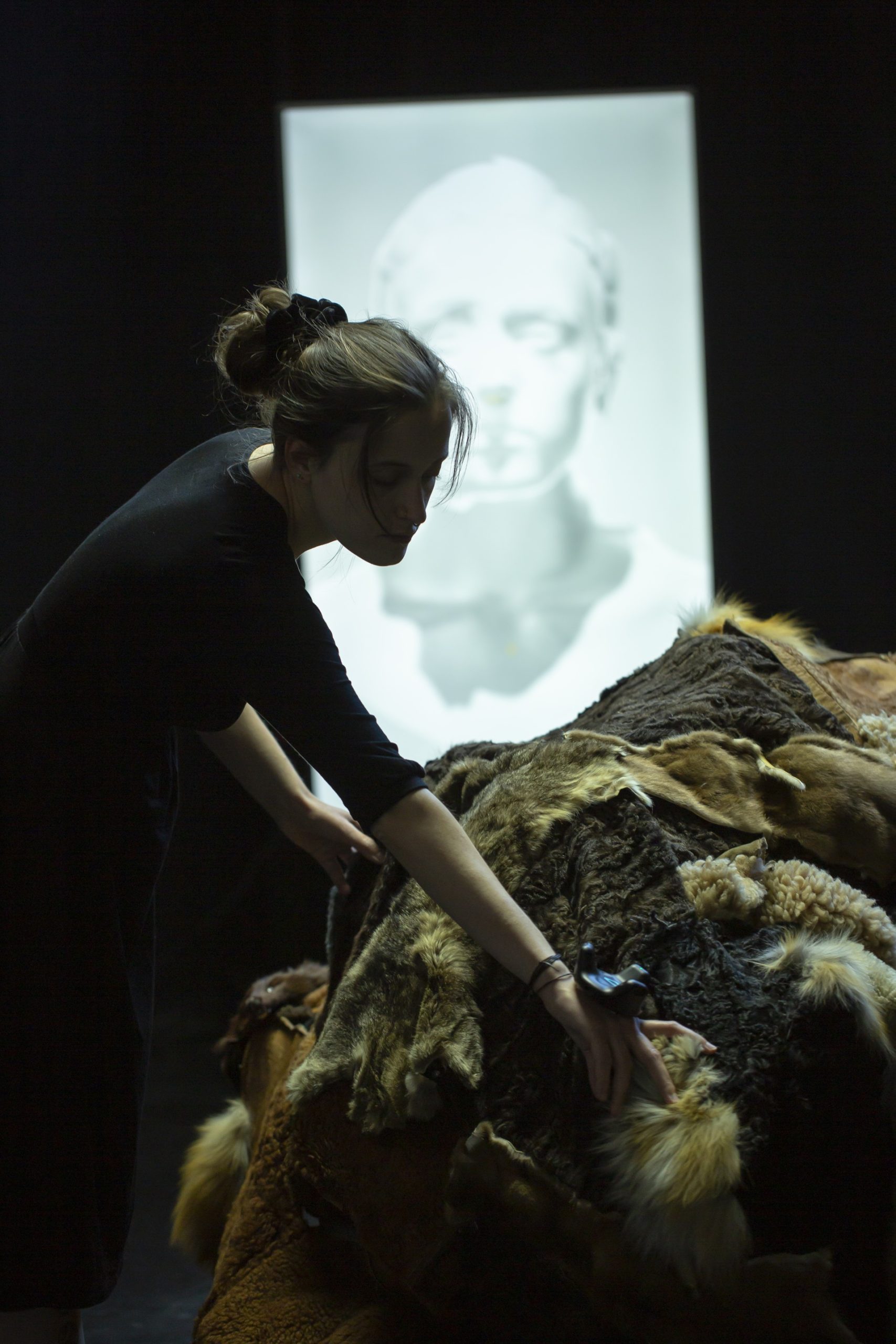
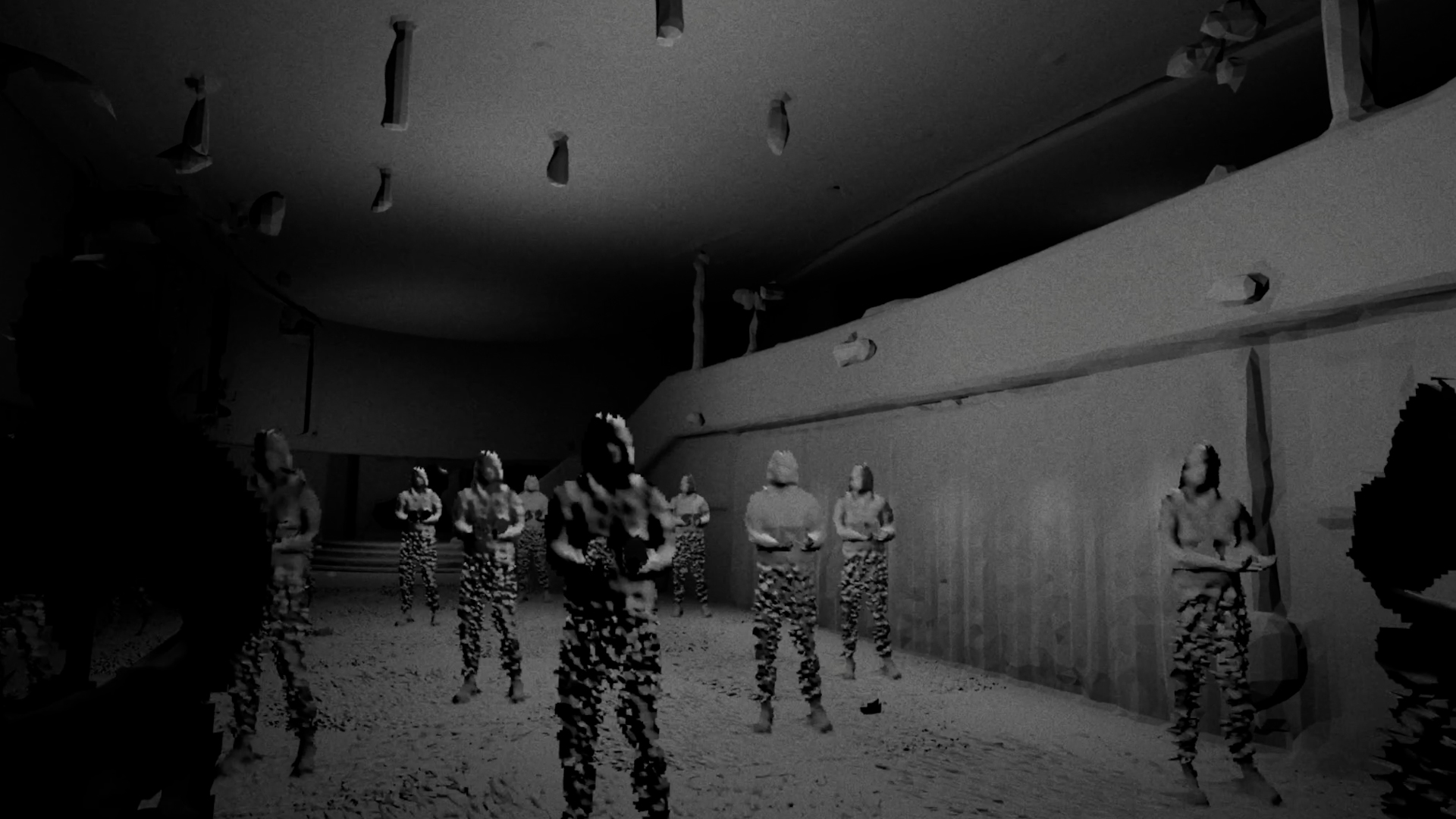
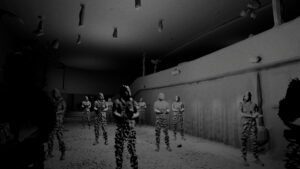
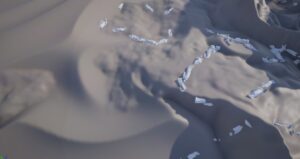
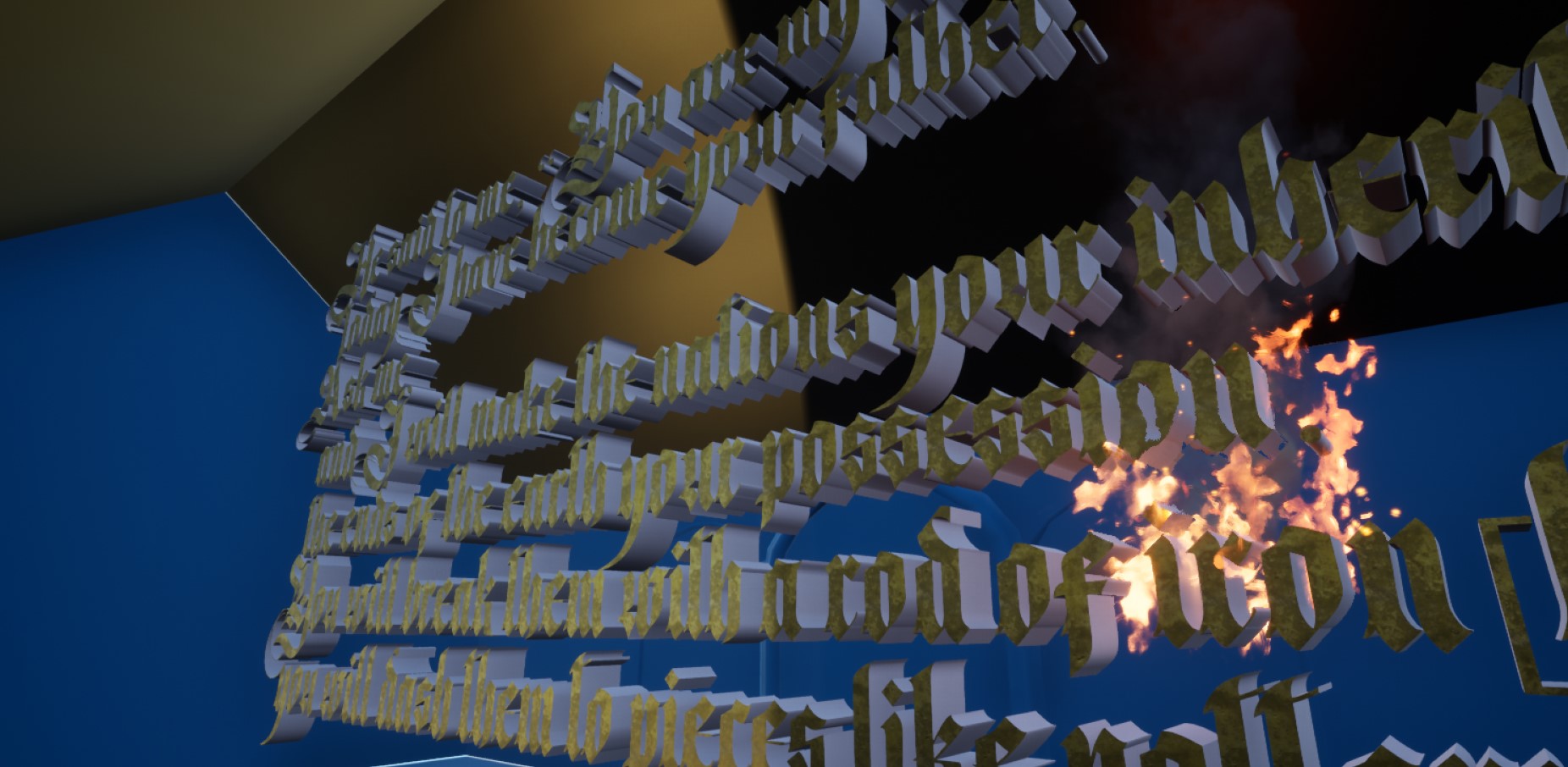
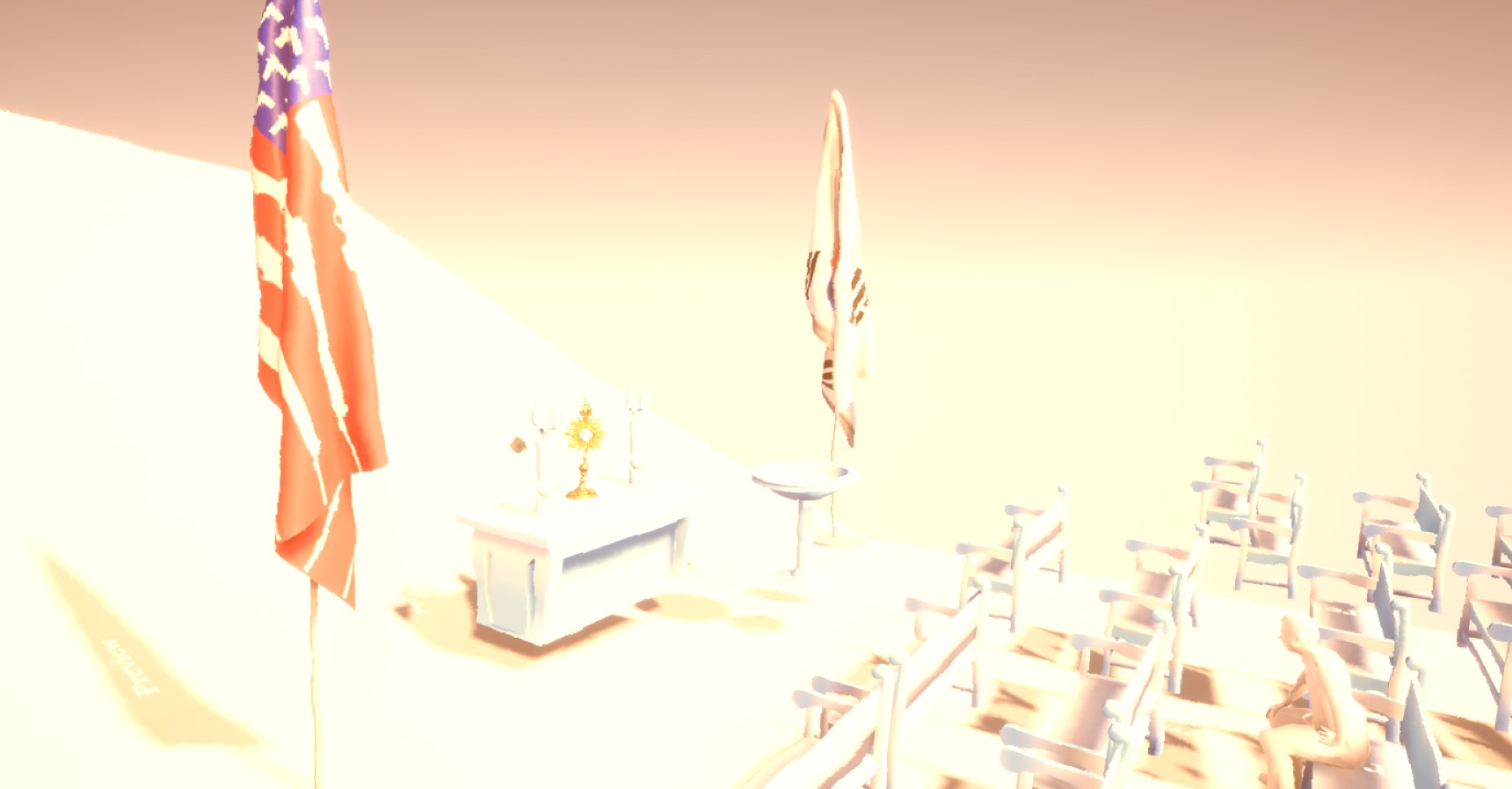
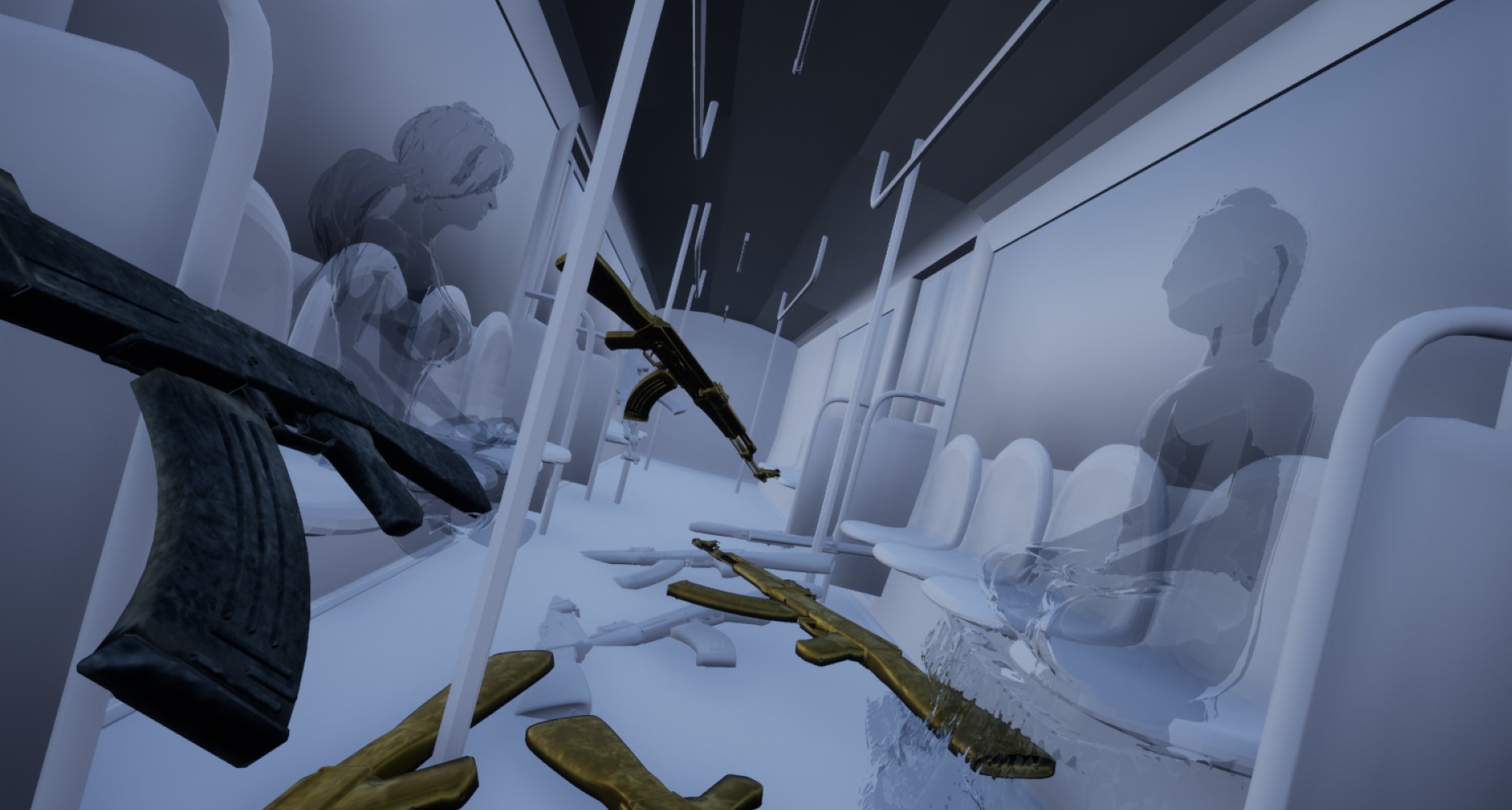
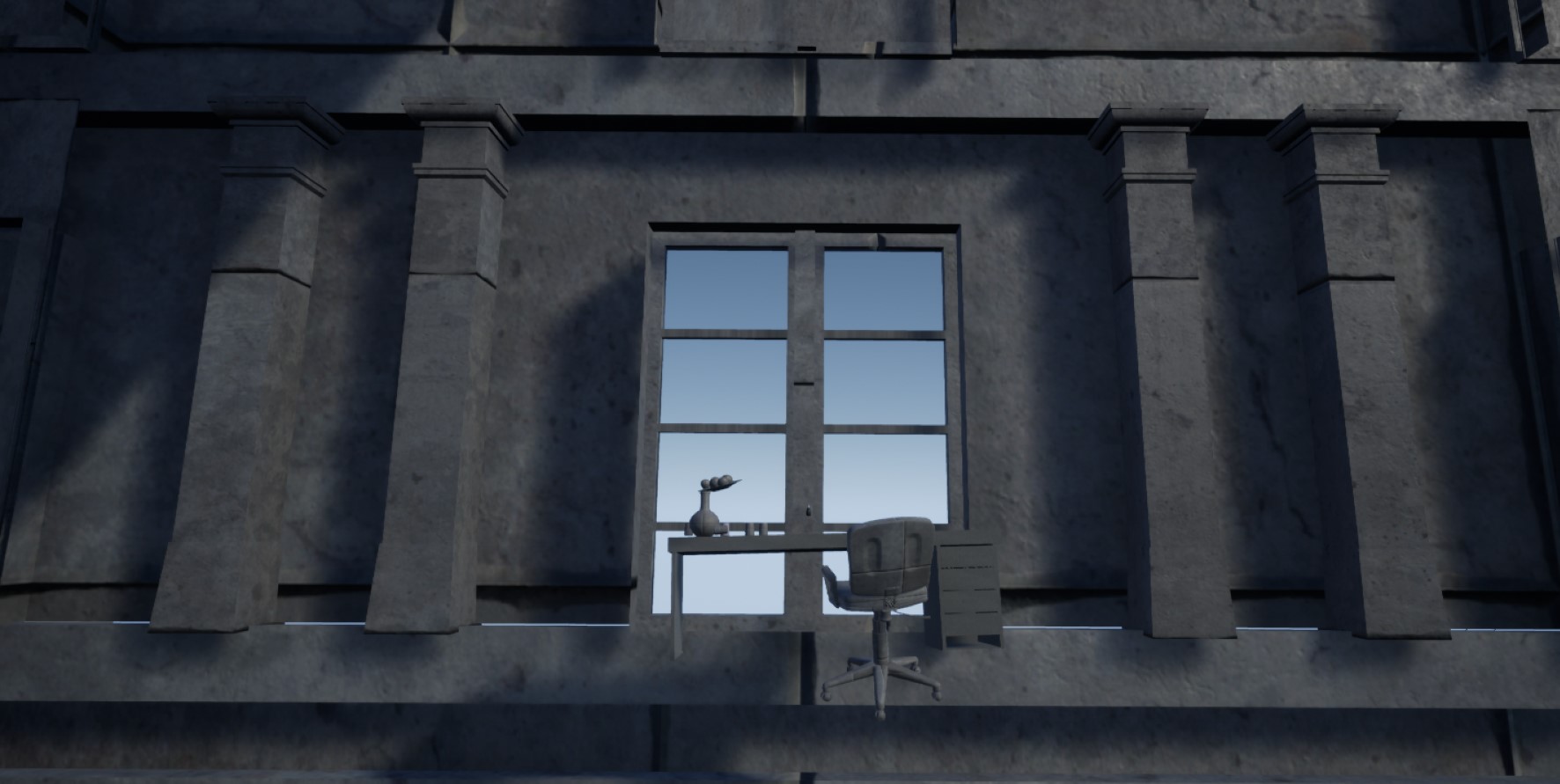
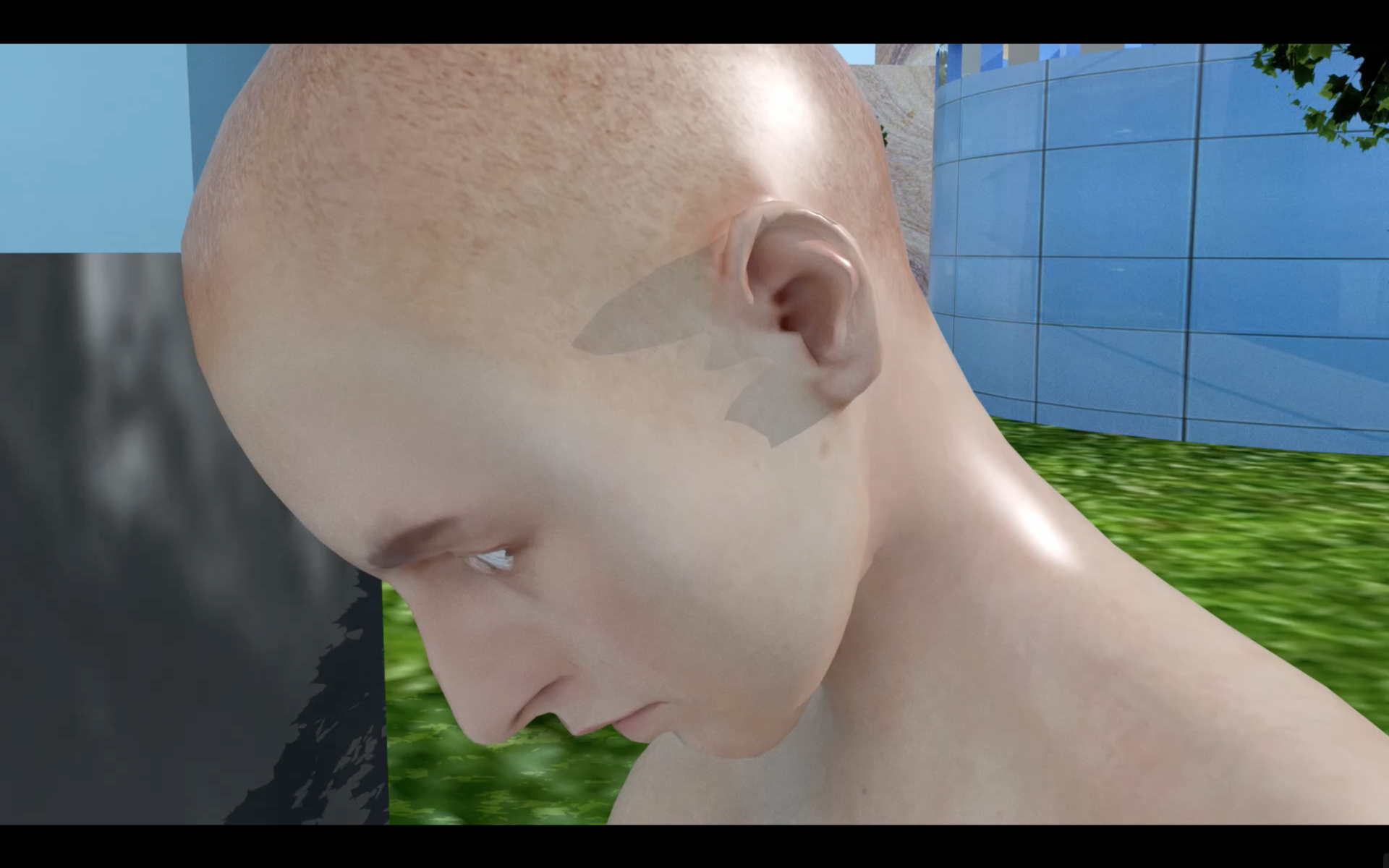
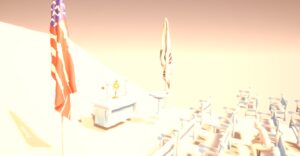
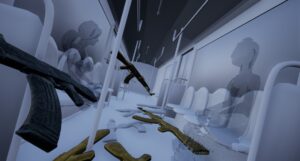
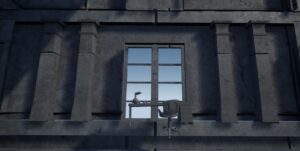
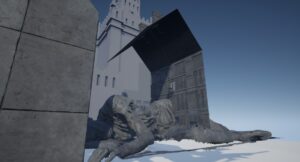
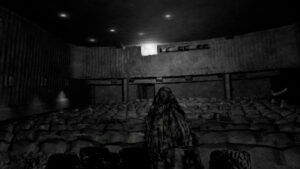
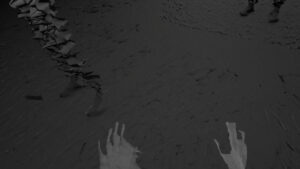
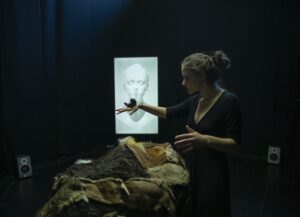
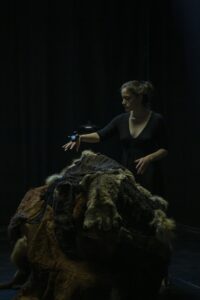
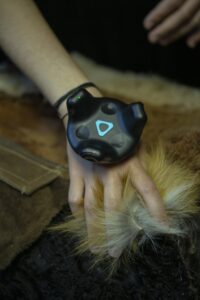
The array of tools employed in the creation of works on display is extensive, artists having used novel digital imaging methods: 3D space, animations created directly in graphic engines, gesture and facial expression capturing, reactive spatial sound, simulations and Artificial Intelligence algorithms. VR goggles help build fuller narratives and achieve the immersion effect. This is how multifaceted, generative and open simulations of reality have been generated – or worlds ready to take in an infinite user population.

Frequently arising from the choice of tools and methods of developing narratives, the aesthetic of works is diverse. Contemporary artistic quests reflect the desires, aspirations and anxieties we all share, the inhabitants of a dying planet moving through a cold and soulless universe at the speed of nine hundred thousand kilometres per hour. Do we really want to believe in accelerationist ideas elevating resource depletion-based growth beyond the interests of the planet, not to mention our own? Can the holographic universe concept – pursuant to which the three-dimensional reality we are experiencing could be a piece of information recorded on two-dimensional surface – affect our judgements and decisions? The only species capable of large-scale biosphere manipulation, are we comfortable with the awareness that we have brought Earth to the brink of the sixth extinction – five to five hundred thousand species disappearing each year, never to return? Perhaps only speculative, potential versions of reality, developed by dreamers of agency, visual rebels and travellers of virtual galaxies, can help us comprehend our intricate and tangled existence, pointing our gaze into the depths of individual microcosms – and at the planet as a living organism we are all part of.

Bibliography:
Yuk Hui, Recursivity and Contingency, Rowman & Littlefield International: 2019
Yuk Hui, ‘An Introduction to Machine and Sovereignty: For a Planetary Thinking’, e-flux Journal, Issue #153, April 2025, online: https://www.e-flux.com/journal/153/662133/an-introduction-to-machine-and-sovereignty-for-a-planetary-thinking (accessed 20 October 2025)
Roland Robertson (ed.), European Glocalization in Global Context, Palgrave Macmillan: 2014
Roland Robertson, Globalization: Social Theory and Global Culture, Sage: 1992

Organisers: 
Modal Gallery, SODA Manchester (School of Digital Arts, Manchester Metropolitan University)
Adam Mickiewicz Institute
Arsenal Gallery in Białystok

Partner:
3D and Virtual Occurrences II Studio, Faculty of Media Art at the Academy of Fine Arts in Warsaw

The event is part of the UK/Poland Season 2025 organized by the British Council, the Adam Mickiewicz Institute and the Institute of Polish Culture in London, funded by the Ministry of Culture and National Heritage and the Ministry of Foreign Affairs in Poland

New Ecosystems of Art

Exhibition of Digital Works by Artists from Poland – On Site and Online
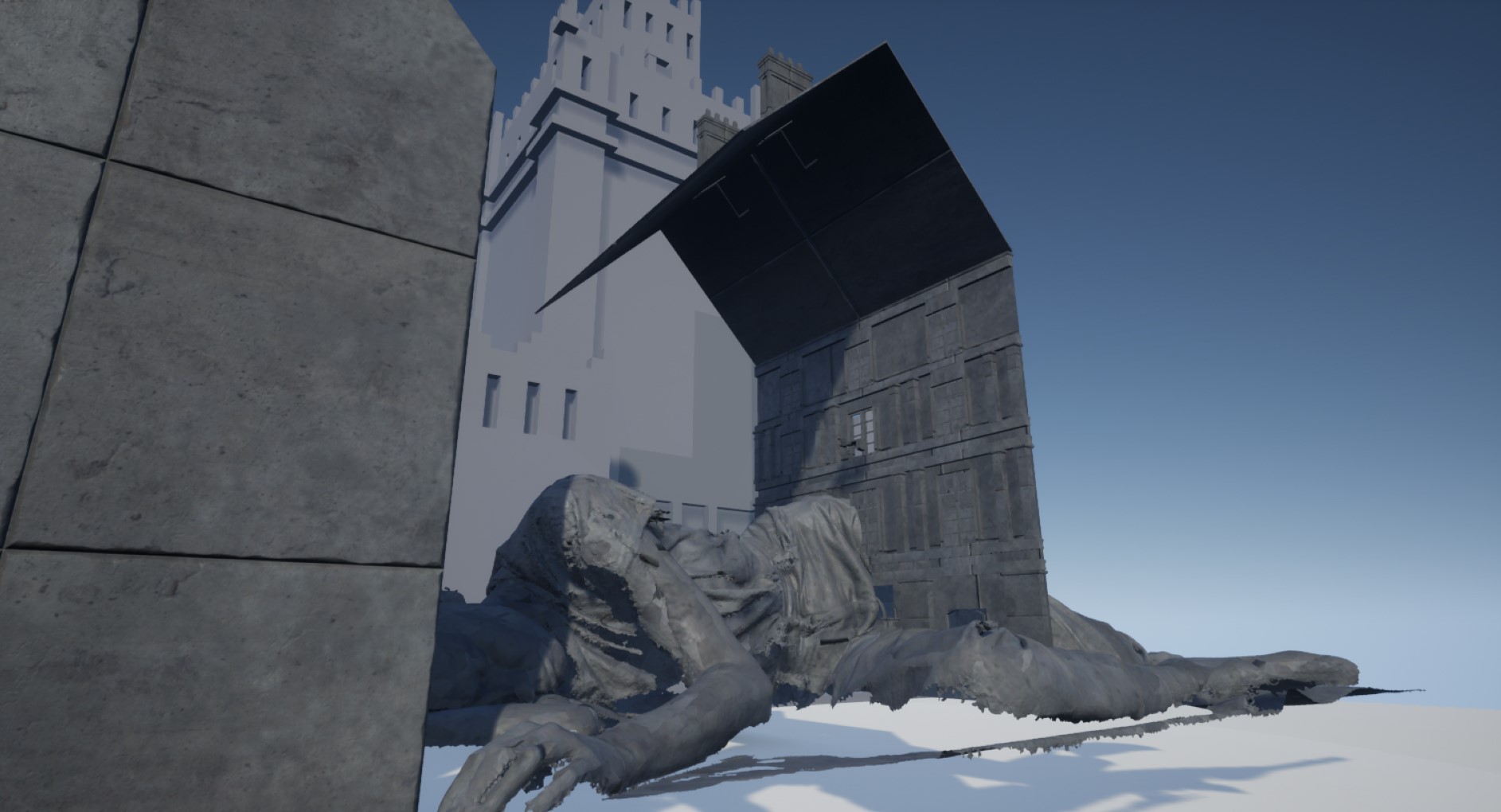
online: https://horyzontyzdarzenwirtualnych.com/editions/edycja-4/

Artists: Wojciech Bąkowski, Rafał Dominik, Eternal Engine (Martix Navrot & Jagoda Wójtowicz), Justyna Górowska (WetMeWild), Piotr Kopik, Norman Leto, Agnieszka Polska, PXKRW (Ewelina Aleksandrowicz & Andrzej Wojtas), Sebulec, Janek Simon

Curatorial team: Eliza Urwanowicz-Rojecka & Jakub Wróblewski
Visual identity: Renata Motyka
Exhibition design: Jakub Marzoch
Collaboration: Iga Chmielecka, Paweł Nowak, Katarzyna Urbańska

8.11–8.12.2024
Salon Akademii Gallery
Academy of Fine Arts in Warsaw
Krakowskie Przedmieście 5, entrance from Traugutt Street

10.12–31.12.2024
online, on the platform Horyzonty zdarzeń wirtualnych:
horyzontyzdarzenwirtualnych.com

Visions of ecologically sustainable futures supporting our planet’s best interests, extraordinarily current in contemporary culture and art, and spanning a broad range of options – from the mildly speculative to the more realistic or rational – question growth as the fundamental social paradigm of capitalism, seeking alternatives thereto. Focused on notions of progress, development, growth, and an assumption that their delivery is made possible by continuous technological progress and ever more perfect technologies, prevalent neoliberal narratives can – Michał Krzykawski claims – “be countered only through building more profound and interdisciplinary ways of comprehending technology, man-machine relations, and values generated therein”(Krzykawski, 2023).

Perhaps – as Yuk Hui suggests – when attempting to name an unexplored future, it would be worth our while to analyse the present of technodiversity: the diversity of how we comprehend and build technologies (Hui, 2023). We believe that in order to achieve the goal, it would be advisable to take a realistic look at the structure of the contemporary technosphere, and its connections to the field of art. Owing to technological solutions, we have begun generating increasingly accurate textual, visual and audio content, including spatial qualities stimulating the most basic of all senses. The rich (and increasingly procedural) array of 2D and 3D tools, cloud rendering, motion capture, VR helmets and gaming engines is ever more often expanded to include state-of-the-art real-time machine learning algorithms based on calculations produced by enormous server suites. Models generating representations perceived as alternative versions of reality are among the most current themes today. According to OpenAI (who published Sora, their text-to-video tool, in February 2024), “our results suggest that scaling video generation models is a promising path towards building general purpose simulators of the physical world” (OpenAI, 2024).

We will soon be able to receive all interactive content in high-quality, stereoscope-streamed 3D imaging and audio, aesthetics and themes regardless. Voice command-generated dreams on demand will materialise thanks to an evolved prompting technique (no matter the dialect: available tools allow real-time translation with minor latency). In a reality of quantum computers built at research centres and private corporations (or, often as not, by consortia blending both), human circumstances can gain new and dynamic perspectives and meanings. Deep immersion has been allowed by large language models and databases with infinite graphic image and audio collections – secured ethically or otherwise. The appetite for AI-based imaging, calculations and simulations is hefty and on the rise. GPT and other language models – such as ChatGPT – are capable of generating illusions of human conversation devoid of any protein experience, contributing to the ever-greater distance between us and reality while taking a step beyond the capacity for processing or simulating said reality: these days, it can be produced in an automatic, mechanical, unmanned process. The contemporary “gigantic technological system” (Hui, 2023) generates new functioning conditions, including infinite self-regulation and self-improvement options. It goes without saying that all this affects politics, economy and culture, not to mention environment-related issues.

The use of AI involves water consumption of 1.8 to 12 litres per kWh of energy. It has been estimated that ChatGPT uses approximately half a litre of water per interaction of 20 to 50 questions. No less than 10,000 species vanish off the face of the earth per annum. Recent World Meteorological Organisation data prove that by the year 2100, even the primate population may drop by 80%. This is but a handful of terrifying ecosphere-related statistics; more could obviously be quoted. How does this knowledge affect art strategies? What will the dream of upcoming realities be? Are we capable of preserving our hopes and desires for utopian horizontal relations – or are we about to focus on the materialistic and impulsive need for survival here and now?

We get occasionally lost in these new ecosystems of art, co-created with the use of new tools, albeit with growing awareness of related costs and threats. On the one hand, we are bored with Campbell’s traditional linear path. Anyone exposed to and having comprehended The Hero with a Thousand Faces will forever lose his or her taste for classic storytelling models. One the one hand, we are fond of reaching for hybrid, modal and hyperlink-based ways of motif and tension creation. On the other, can the latter be bred in line with zero waste principles, with no impact on the flora or fauna? What categories should we use to describe contemporaneity, especially if aspiring to “lean out into the future,” however slightly? The question concerns us directly – including the entire arsenal of doubts regarding the use of natural resources, concerns evoked by swift climate and civilisational change, and globally unstable economic and political circumstances. Do we need to reach for futurist tools when conjuring up visions of the future? And are science fiction-driven narratives the optimum strategy of telling the world’s prospects? How is art repositioning itself in the face of the increasingly precise capacity of machines for telling or predicting the future?

In a conscious reference to new imaging techniques, all works shown at the exhibition will span a broad spectrum of phenomena and relations, taking account of de-growth perspectives and critical philosophy of technologies. The field of artistic practice includes interesting forecasts – individual and/or subjective alike – standing in opposition to holistic approaches to global phenomena and universally applied metanarratives. Stories proposed by artists will target a search for a new perception of reality, new ways of developing its representations and visions, and a novel specification of future-building tools.

Jakub Wróblewski, Eliza Urwanowicz-Rojecka

Exhibition organizer: Arsenal Gallery in Białystok
Partner: Academy of Fine Arts in Warsaw

Curatorial team: Eliza Urwanowicz-Rojecka & Jakub Wróblewski
Visual identity: Renata Motyka
Exhibition design: Jakub Marzoch
Collaboration: Iga Chmielecka & Paweł Nowak
Editing and proofreading: Ewa BorowskaEnglish to Polish and Polish to English translation: Aleksandra Sobczak-Kövesi
Exhibition photos: Adam Gut
Communication and promotion: Gabriela Owdziej, Piotr Trypus
Supervising the proper implementation of the ‘Sztuki wizualne’ project: Julita Sitniewska
Legal support: Urszula Dubieniecka-Kiszło
Accounting: Marlena Maleszewska, Anna Olesiewicz, Katarzyna Wilimas
Coordination: Eliza Urwanowicz-Rojecka & Jakub Wróblewski

Exhibition Organizer 

municipal cultural institution

Partner

Co-financed by the Minister of Culture and National Heritage of the Republic of Poland from the Culture Promotion Fund
Media Partners

HOMERUN | Open Studios

Review of realisations by the 3D and Virtual Occurrences Studio of the Faculty of Media Art, Academy of Fine Arts in Warsaw. The show will include realisations created in teaching and research processes associated with the use of technological solutions: Virtual Reality, motion capture, virtual production, and gaming engines. The event is also an opportunity for reflections regarding contemporary directions of developing methods of creating virtual environment presences, and auteur art strategies. The review forms part of the Virtual Occurrences Horizons (https://horyzontyzdarzenwirtualnych.com/), a project delivered in collaboration with the “Arsenal” Gallery in Białystok (https://galeria-arsenal.pl/). The event is organised as part of HaPoC 2023: 7th International Conference on the History and Philosophy of Computing.
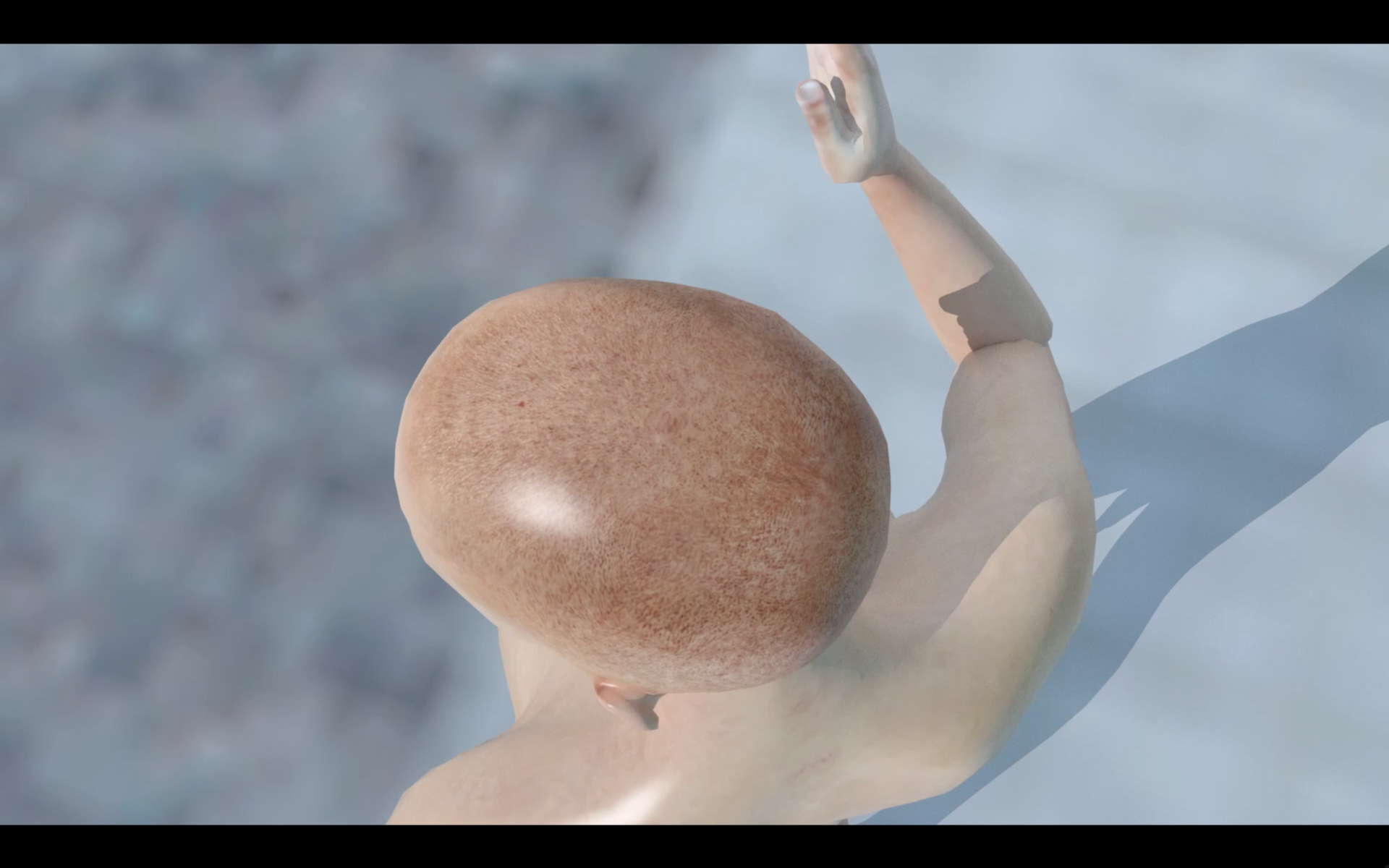
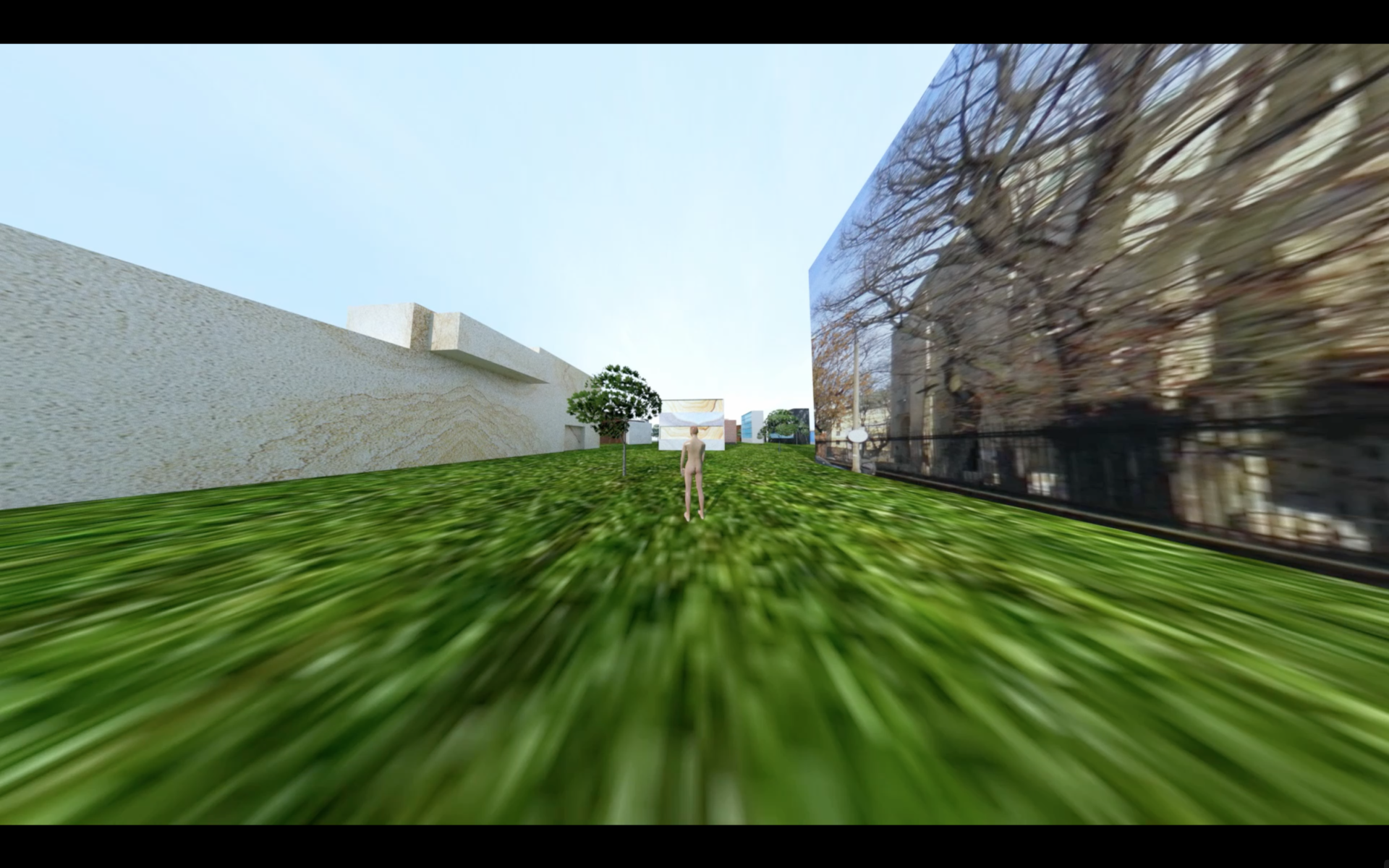
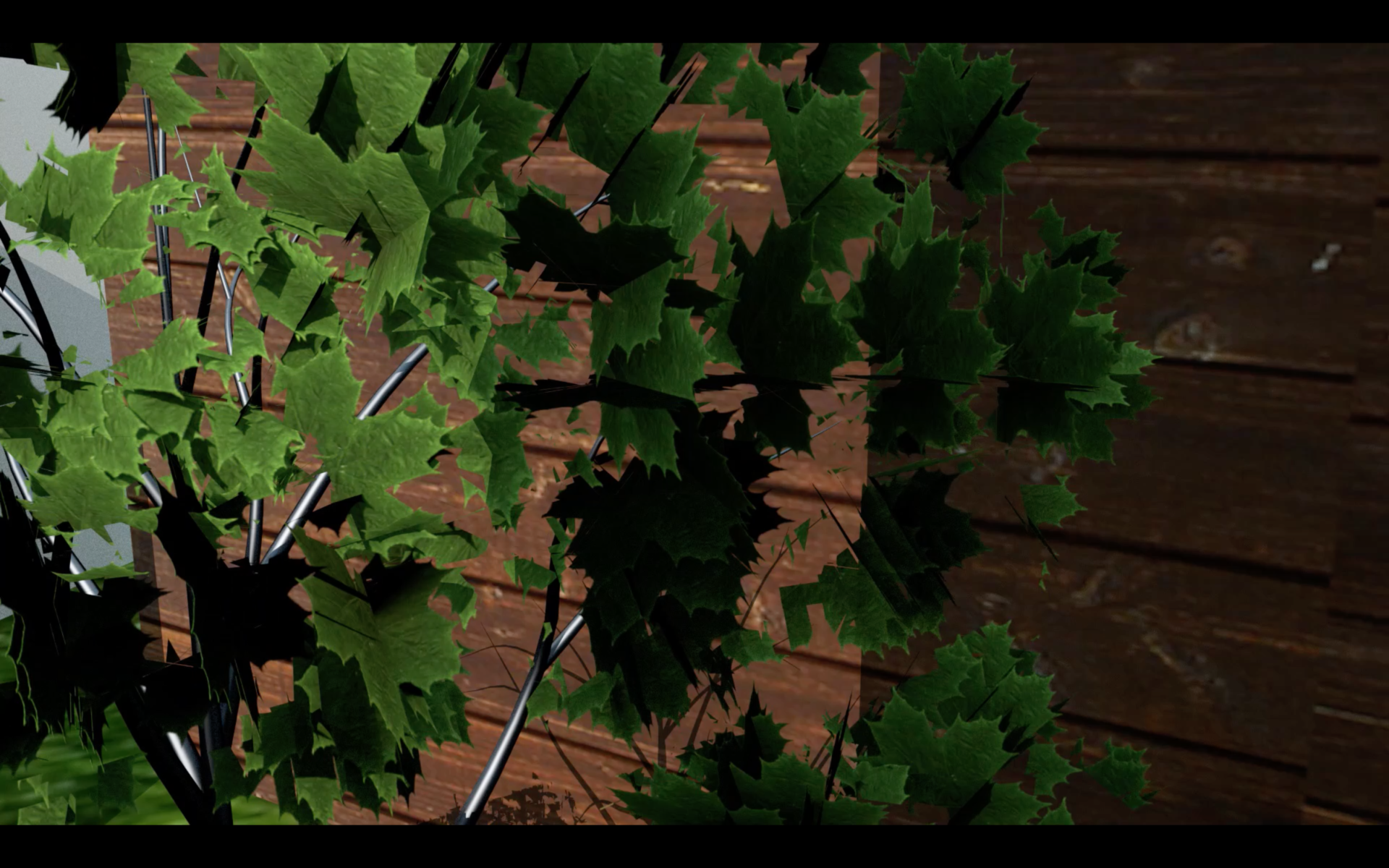
Artists: Sonia Dudek, Sonia Kaźmierczak, Rafał Kruszka, Radomir Majewski, Agnieszka Suchocka, Aleksandra Lewandowska, Veronika Cherednychenko, Franek Warzywa, Xawery Deskur

Organization: Faculty of Administration and Social Sciences
3d and Virtual Occurrences Studio I | dr hab. Piotr Kopik, prof. Asp | as Andrzej Szwabe
3d and Virtual Occurrences Studio II | dr hab. Jakub Wróblewski, prof. Asp | as Andrei Isakov | as Sebastian Sebulec
New Media Department | Academy of Fine Arts in Warsaw | Virtual Occurrences Horizons

Theoretical Workshop accompanying the exhibition “Liminal – State of Transition”

Arsenal Gallery in Białystok, November 5th-6th 2021

Participants: Piotr Cichocki, Piotr Fortuna, Michał Krzykawski, Jerzy Stachowicz, Matylda Szewczyk, Tomasz Rakowski and persons liaised with the 3D and Virtual Occurrences Studio, Faculty of Media Art, Academy of Fine Arts in Warsaw (Agata Chodera, Przemysław Danowski, Andrei Isakov, Krystyna Jędrzejewska-Szmek,  Palina Komarova, Agata Konarska, Mateusz Kowalczyk, Dobrosława Król,  Jakub Wróblewski).

The exhibition “Liminal – State of Transition” has been designed to present a selection of works by students and collaborators of the 3D and Virtual Occurrences Studio, Faculty of Media Art, Academy of Fine Arts in Warsaw, under Jakub Wróblewski, Ph.D., in co-operation with Andrei Isakov and Przemysław Danowski.

The accompanying event schedule includes a workshop seminar – an attempt at offering a theoretical portrayal of a phenomenon in process, an effort to critically ponder immersive art and the specificity of operating in VR space. We intend to move away from the classic model of conferences and interventions to enable intergenerational dialogue and produce conditions wherein representatives of diverse fields of humanities and arts – having absorbed the oeuvre and working specificity of the 3D and Virtual Occurrences II Studio – will be able to share comments, opinions and findings. We are hoping for lively, creative and inspiring debates, all related notes, records and conclusions a palpable trace of the research process, and foundation for a conference follow-up publication.

We do not see the exhibition – or the accompanying conference – as an ultimate linchpin summarising the phenomenon of working with VR space. Our take is one of opening a lively debate, extending an invitation to co-operate: much remains to be done when it comes to describing transmedia space and related practices.

We hereby invite you to join us in pondering the kinship of experience, the methods and objectives of transferring impressions, the political nature of these actions. We would also be curious to learn to what extent Virtual Reality-associated activities are political or class-related in nature. We will ponder their ethical and empathetic dimensions, particularly curious about identifying the cultural backdrop and specificity of cultural practices giving rise to VR exploration and (potentially) redefinition.

We will try to resolve whether 3D performance and Virtual Reality realisations and experiences must/should be interpreted against artistic intervention only. Many interesting developments have been taking place in the field of language as well – firstly, the translation of stories by particular authors into the language of VR expression; secondly, reflections regarding virtuality as a phenomenon in the context of “democratising” language. Another subject we are planning to raise.

Do join us in our shared speculations!

Moderated by: Zuzanna Sękowska

Co-ordinator: Eliza Urwanowicz-Rojecka

Technical support + documentation + stream: 
Kacper Gorysz, Bartek Krot, Kamil Popko (Infotech), Aleksander Sakowicz, Maciej Zaniewski

Fb support + contacting the audience online: Gabriela Owdziej

Visual identity: Renata Motyka

Copy-editing and proofreading: Ewa Borowska

Seminar organisers: Institute of Polish Culture, University of Warsaw, Arsenal Gallery in Białystok, 3D and Virtual Occurrences II Studio, Faculty of Media Art, Academy of Fine Arts in Warsaw

Technological partner: The event was co-financed by the University of Warsaw, including from the programme Excellence Initiative – Research University

Liminal – the Transitional State

Exhibition by 3D and Virtual Occurrences  II Studio, Faculty of Media Art, Academy of Fine Arts in Warsaw

Participating Artists: Agata Chodera, Przemysław Danowski, Andrei Isakov, Palina Komarova, Agata Konarska, Mateusz Kowalczyk, Dobrosława Król, Krystyna Jędrzejewska-Szmek, Jakub Wróblewski

Curator: Zuzanna Sękowska

Co-ordinator: Eliza Urwanowicz-Rojecka

Visual identification: Renata Motyka

Arsenal Gallery in Białystok
October 22nd – November 10th 2021

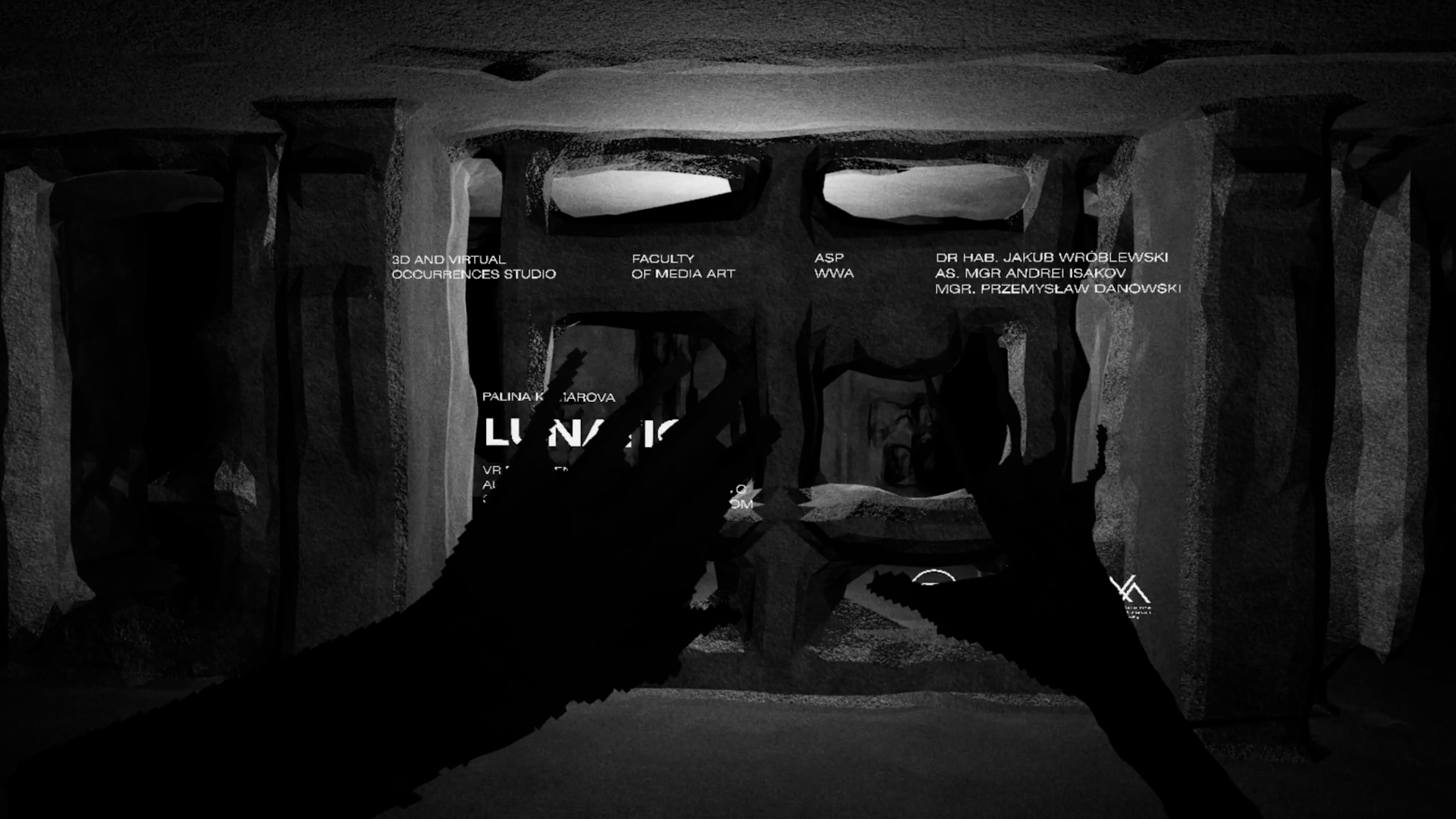
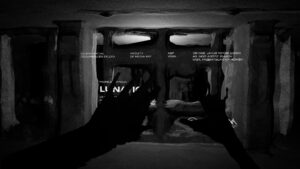
The exhibition Liminal – the Transitional State is a presentation of selected projects by a group of artists of the 3D and Virtual Occurrences II Studio, Faculty of Media Art, Academy of Fine Arts in Warsaw, headed by Jakub Wróblewski, Ph.D. The exhibit was designed in collaboration with Andrei Isakov and Przemysław Danowski, and will i.a. include the following works: Jakub Wróblewski, Andrei Isakov and Przemysław Danowski’s Lovestory, Agata Chodera’s Master of Reality, Palina Komarova’s Lunatyk, Agata Konarska’s Let’s Pray, Mateusz Kowalczyk’s Undermining, Dobrosława Król’s NeoWarszawa (NeoWarsaw), and Krystyna Jędrzejewska-Szmek’s VR Lab.

The exhibition is an attempt at exploring and discussing the “virtual event” phenomenon, and identifying its cultural and culture-formative dimension, as well as the purpose of related practices.

Transferring impressionality, sharing impressions, translating narratives into technological activities; sensitising others to shared and mutual presence, caring practices, the collective nature of actions – such are the essential issues we have defined as contributors to the show’s script and storyline. We proceed to ask how and to what purpose stories are actually told in the practice of new media/ transmedia reality artists, and which aesthetics and technologies we can define as applicable in the creative process.

Fundamental issues seem to include the dimension of community and community-formative nature of working with virtual reality/ new media, and the potential of creating communalities of experience. We perceive the studio as a field of experimenting and delegating authority, space where temporary collectives are formed and disbanded. The ultimate goal is to capture the trace of the communication method, as it were, alongside whatever has evolved as a permanent spirit or specificity of labour in the artistic habitat.

The exhibition has been designed as an open case, an exercise, a theoretical trip – operating as a process of participating, and including recipients therein. The conference accompanying the exhibition is intended as a seminar workshop, an attempt at initiating a critical examination of the local specificity of practices focusing on multimedia reality, including the perception of virtual events as proposed by the 3D and Virtual Occurrences II Studio – and, more broadly, of the specificity of working with augmented reality in general.

Once all aforementioned activities have been completed, a follow-up publication will be produced, theoretical critical commentary included – a collection of experiences involving the “transfer” of Studio activities to the Arsenal Gallery in Białystok, and crucial conclusions regarding the theoretical workshop. The exhibition and accompanying activities are a yet another brand for the cycle of events presenting 3D and Virtual Occurrences II Studio accomplishments at the Arsenal Gallery.